

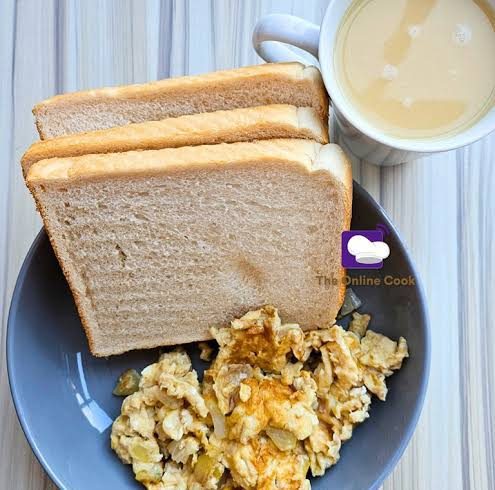

Bread and tea are common breakfast choices in many Nigerian homes. While they can be part of a balanced diet, they are not the best option for everyone. If you have certain medical conditions, consuming bread and tea regularly—especially sweetened tea with refined white bread—may worsen your symptoms or make it more difficult to manage your health.

Here are some health conditions where caution is advised.
1. Diabetes
People living with diabetes should be careful with white bread and sugary tea. White bread is made from refined flour, which is digested quickly and can cause a rapid rise in blood sugar. Adding sugar to tea or eating bread with sugary spreads can further increase blood glucose levels.
A better choice: Whole-grain bread in moderate portions, unsweetened tea, and meals that include protein, healthy fats, and vegetables to help control blood sugar.

2. Obesity and Overweight
Bread and sweet tea can be high in calories without providing lasting fullness. Eating them frequently, especially in large portions, may contribute to weight gain.
A better choice: Include protein-rich foods such as eggs, beans, or yogurt with whole-grain bread, and drink tea without added sugar.
3. High Blood Pressure (Hypertension)
Many packaged breads contain significant amounts of sodium, which can contribute to elevated blood pressure in some people. Drinking large amounts of caffeinated tea may also temporarily raise blood pressure in sensitive individuals.
A better choice: Choose lower-sodium bread where possible and enjoy tea in moderation without excessive sugar.
4. Acid Reflux (Heartburn)
Strong tea, especially on an empty stomach, may worsen acid reflux in some people. Eating large amounts of bread alone may also leave some people feeling bloated or uncomfortable.
A better choice: Eat smaller meals, avoid very strong tea if it triggers symptoms, and include foods that are less likely to cause reflux.
5. Celiac Disease or Gluten Sensitivity
Most regular bread contains gluten, a protein found in wheat. People with celiac disease or gluten sensitivity should avoid ordinary wheat bread because it can trigger digestive symptoms and damage the intestines in those with celiac disease.
A better choice: Gluten-free bread made from suitable alternatives.
6. Chronic Kidney Disease
Some people with advanced kidney disease need to carefully manage their intake of sodium, phosphorus, and potassium. Depending on individual dietary advice, certain processed breads and tea additives may not be ideal.
A better choice: Follow the eating plan recommended by a qualified healthcare professional or dietitian.
7. Iron Deficiency Anemia
Tea contains natural compounds called tannins, which can reduce the body’s absorption of iron from food when consumed with meals. This may be a concern for people with iron deficiency anemia.
A better choice: Drink tea at least one to two hours before or after iron-rich meals rather than with them.
Healthy Tips for Everyone
Avoid adding too much sugar to tea.
Choose whole-grain bread instead of refined white bread whenever possible.
Watch your portion sizes.
Pair bread with protein-rich foods such as eggs, beans, fish, or peanut butter instead of relying on bread alone.
Drink enough water and eat plenty of fruits and vegetables.
Take Home
Bread and tea are not “bad” foods, but they are not suitable in the same way for everyone. If you have diabetes, high blood pressure, acid reflux, gluten-related disorders, kidney disease, iron deficiency anemia, or are trying to lose weight, making healthier choices and eating these foods in moderation can help protect your health.
If you have a chronic illness, always seek personalized advice from a qualified doctor or registered dietitian before making major changes to your diet.
Your health is one of your greatest assets. Make informed food choices today to enjoy a healthier tomorrow.
Follow BwariTimes on Facebook for updates.