

By Tochukwu Cyril
For more than ten years, I lived in Northern Nigeria without tasting one of its most popular delicacies. Like many people who relocate from one part of Nigeria to another, I stayed within my comfort zone and preferred the foods I had grown up eating.

Then one evening, hunger led me to a roadside Awara seller.
That single decision completely changed my perception of Northern Nigerian cuisine and reminded me that sometimes the greatest cultural experiences begin with a simple bite.

If you’ve ever wondered what Awara is, whether it’s a snack or a meal, or why so many people across Northern Nigeria enjoy it every day, this guide answers everything you need to know.
What Is Awara?
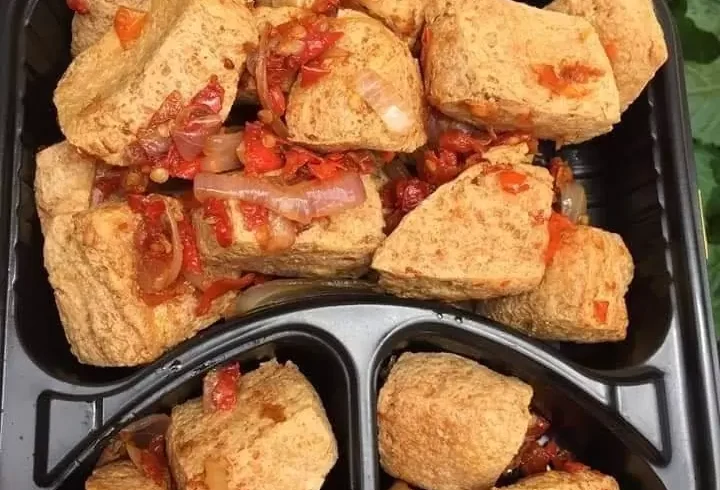
Awara is a traditional Northern Nigerian delicacy made from processed soybeans. It is similar to tofu but prepared using local methods and commonly deep fried before serving with spicy pepper sauce. Rich in plant based protein, affordable, and filling, Awara is enjoyed as both a snack and a light meal across many parts of Northern Nigeria, especially Abuja, Kano, Kaduna, Niger State, Katsina, and Bauchi.
Table of Contents
- What Is Awara?
- My First Experience Eating Awara
- What Is Awara Made Of?
- How Awara Is Made
- Nutritional Value of Awara
- Health Benefits of Awara
- Why Awara Is So Popular
- Is Awara a Snack or a Meal?
- Awara and Economic Empowerment
- Food as a Tool for National Unity
- Frequently Asked Questions
- Final Thoughts
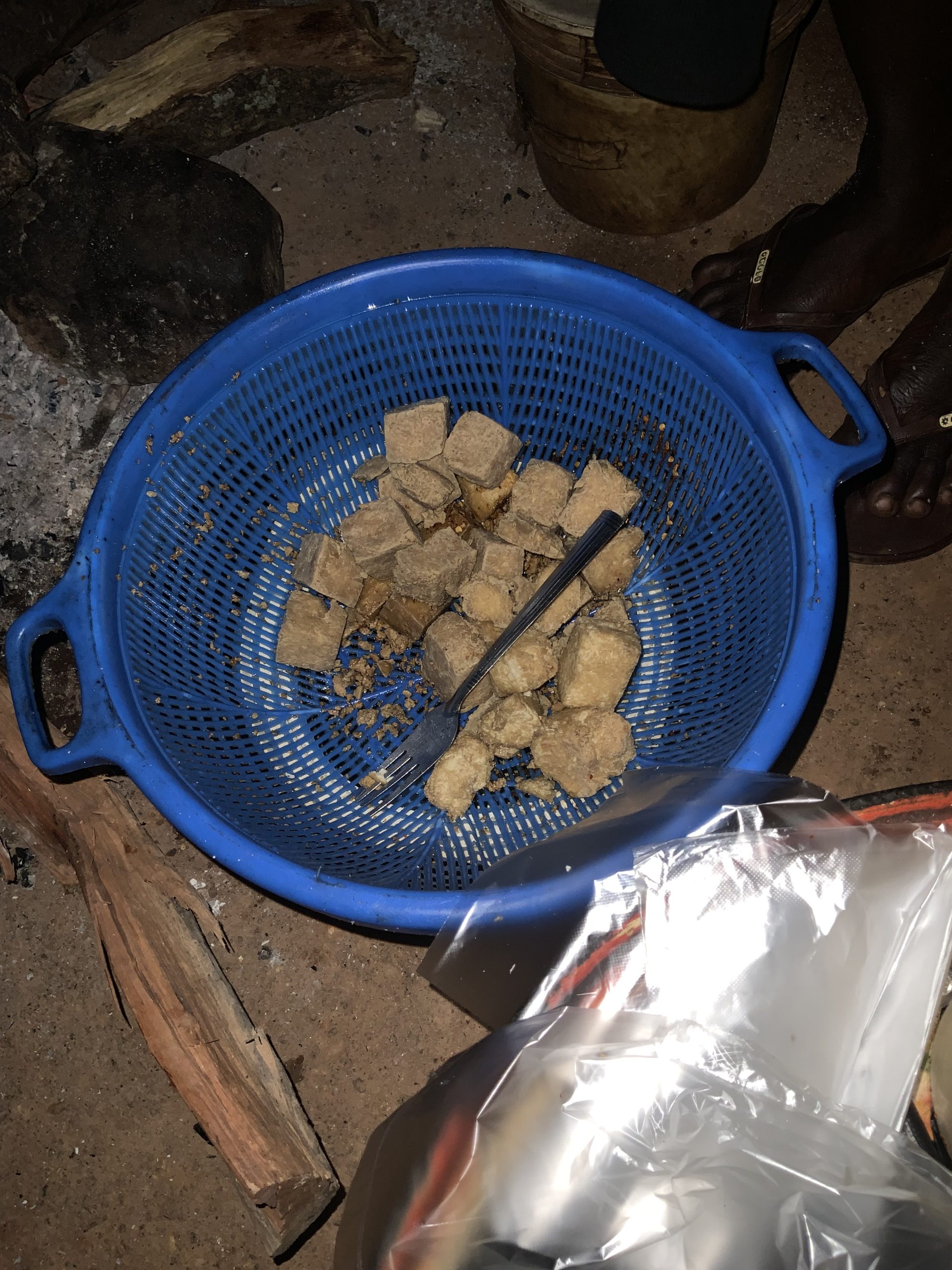
My First Experience Eating Awara
When I first moved to Northern Nigeria, I was like many people from the eastern part of the country. I simply wasn’t interested in trying local Northern dishes.
Looking back now, I realize it wasn’t because the food wasn’t good. It was because I had already formed opinions without giving myself the chance to experience something new.
Years passed.
Whenever I saw Awara vendors by the roadside, I walked past without giving it a second thought. Then came one unforgettable evening in 2026. I had just finished work and was extremely hungry. Most food vendors had already closed for the day, leaving only an Awara seller nearby.
With little choice, I approached her and said, “Madam, give me ₦200 worth and add plenty pepper.”
Within seconds, she served freshly fried Awara with spicy pepper.
I took my first bite. I stopped chewing.
“This is actually delicious.”
I couldn’t believe I had ignored this delicacy for over a decade.
Curious, I asked what Awara was made from.
“Soybeans,” she replied.
That answer made me appreciate it even more. Not only was it delicious, it was also rich in protein and highly nutritious.
From that day forward, Awara became one of my favourite evening treats.
Today, hardly a week passes without me enjoying it.
What Is Awara Made Of?
Awara is produced primarily from soybeans, one of the world’s richest sources of plant protein.
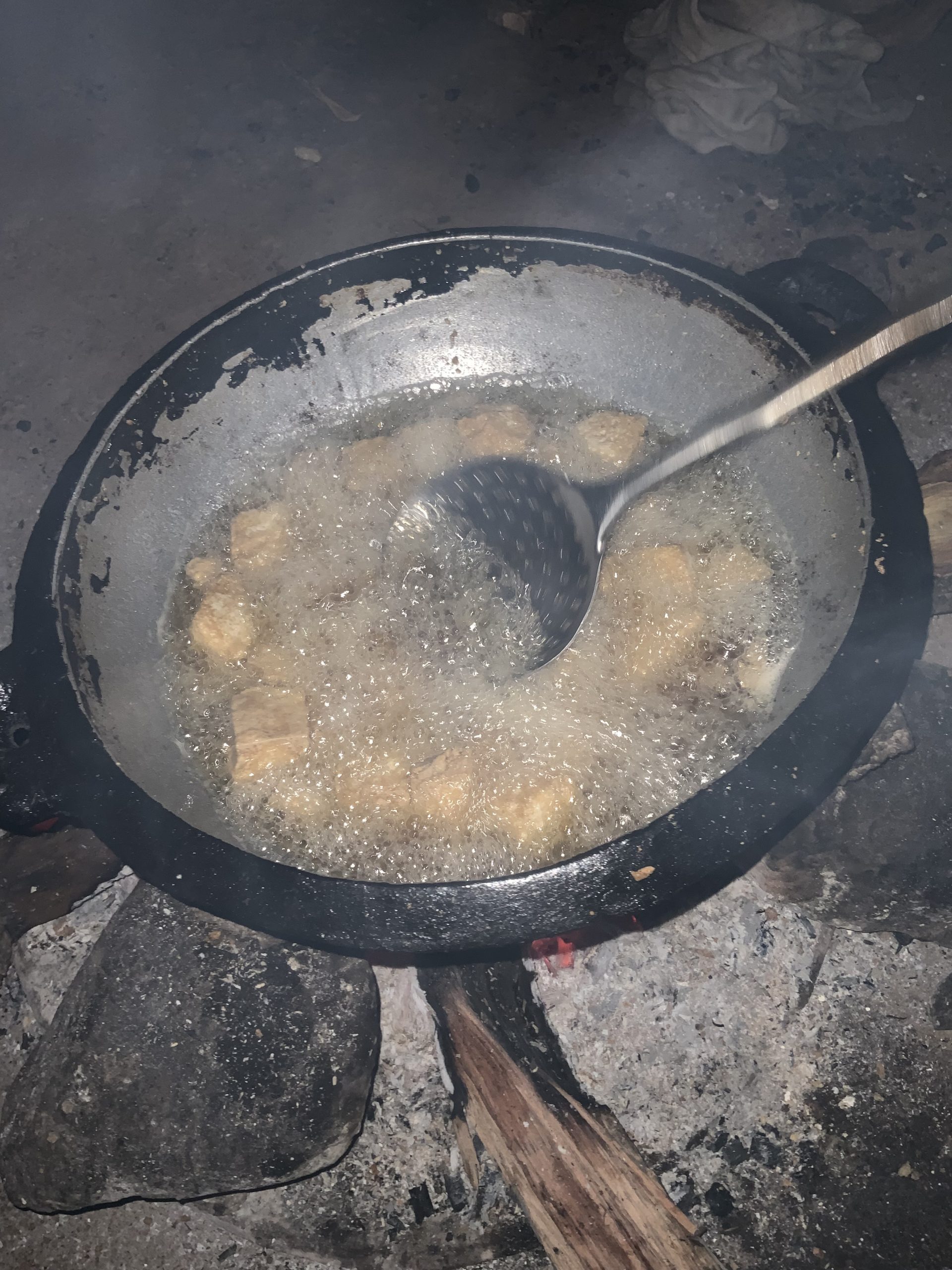
Fresh soybeans are processed into soybean milk before being coagulated into soft curds. These curds are pressed into blocks, sliced into square or rectangular pieces, and then fried until golden brown.
The finished product is crispy on the outside, soft inside, and usually served with pepper sauce, onions, tomatoes, and local spices.
Many people compare Awara to tofu because they share the same primary ingredient. However, Awara has a unique preparation method, taste, texture, and cultural identity that make it distinctly Nigerian.
If every Nigerian became more open to tasting the foods of other tribes, we would discover just how much we have in common despite our differences.
Sometimes, national unity begins with something as simple as sharing a plate.
How Is Awara Made?
Although preparation methods vary slightly across communities, the process generally involves:
- Cleaning and soaking soybeans.
- Grinding the soaked beans into a smooth paste.
- Filtering the mixture to extract soybean milk.
- Boiling the milk.
- Adding a natural coagulant to separate the curds.
- Pressing the curds to remove excess liquid.
- Cutting them into cubes or rectangles.
- Deep frying until golden brown.
This careful process gives Awara its firm texture and rich flavour.
Nutritional Value of Awara
One reason nutrition experts recommend soy based foods is their impressive nutrient profile.
Awara contains several essential nutrients that contribute to overall health.
| Nutrient | Health Benefit |
|---|---|
| Protein | Builds and repairs body tissues |
| Calcium | Supports healthy bones and teeth |
| Iron | Helps produce healthy red blood cells |
| Magnesium | Supports muscle and nerve function |
| Potassium | Helps regulate blood pressure |
| Fibre | Improves digestion |
| Healthy fats | Supports heart health |
Because it is made from soybeans, Awara provides a nutritious alternative to many highly processed snacks.
10 Health Benefits of Awara
1. Excellent Source of Protein
Protein is essential for muscle development, tissue repair, and overall body growth.
Awara provides a significant amount of plant based protein, making it ideal for children, adults, athletes, and anyone seeking healthier protein options.
2. Keeps You Full for Longer
Its high protein content helps reduce hunger, making it a satisfying option between meals.
3. Supports Healthy Muscles
People involved in physical work or regular exercise can benefit from protein rich foods like Awara.
4. Promotes Heart Health
Soybeans naturally contain healthier fats than many processed foods and may support healthy cholesterol levels when consumed as part of a balanced diet.
5. Supports Bone Strength
Awara provides minerals that contribute to strong bones and healthy teeth.
6. Helps Maintain Healthy Weight
High protein foods generally increase feelings of fullness, reducing unnecessary snacking.
7. Suitable for Vegetarians
For people who avoid meat, Awara provides an excellent source of plant protein.
8. Supports Healthy Digestion
The fibre present in soy products contributes to improved digestive health.
9. Affordable Nutrition
Unlike many expensive protein sources, Awara remains one of Nigeria’s most affordable nutritious foods.
10. Provides Lasting Energy
Whether you’re a student, trader, artisan, or office worker, Awara supplies sustained energy throughout the day.
Visit Bwari Today and discover the beauties hidden in it. Been to Bwari Market before? See a guide.
Why Is Awara So Popular in Northern Nigeria?
Walk through many streets in Abuja, Kaduna, Kano, or Niger State during the evening and you’ll likely find Awara vendors surrounded by customers.
Its popularity comes down to several factors:
- It is affordable.
- It is delicious.
- It is filling.
- It is rich in protein.
- It is quick to prepare.
- It pairs well with pepper sauce.
- It can be eaten almost anywhere.
In Abuja particularly, Awara is commonly sold from afternoon until late evening and has become one of the city’s favourite roadside delicacies.
Is Awara a Snack or a Meal?
This remains one of the most common questions people ask.
The honest answer is:
It can be both.
Some people buy a few pieces as a quick snack after work.
Others purchase enough to replace dinner.
Because it is filling and protein rich, many people treat it as a complete light meal.
For me, Awara comfortably fits both categories depending on my appetite.
How Much Does Awara Cost?
One reason Awara continues to attract people from every social class is its affordability.
Depending on the location, a single piece typically costs between ₦50 and ₦100, while larger portions are sold at different prices.
When I first tasted Awara, I bought ₦200 worth, and it was more than enough to satisfy my hunger.
Despite inflation, Awara remains one of the most affordable protein rich foods available in many Northern Nigerian communities.
Awara Is More Than Food: It Creates Jobs
Beyond its nutritional value, Awara also plays an important role in the local economy.
Across Northern Nigeria, thousands of women earn daily income through the production and sale of Awara.
From soybean farmers to processors, wholesalers, retailers, and roadside vendors, the Awara value chain supports countless families.
For many women, Awara sales provide financial independence and help cover household expenses, children’s education, and other essential needs.
Supporting local Awara businesses means supporting local entrepreneurship and community development.
What Awara Taught Me About Nigeria
The biggest lesson Awara taught me wasn’t about food. It was about people.
For years, I avoided Northern delicacies simply because they were unfamiliar.
That mindset limited my experiences.
Nigeria is blessed with hundreds of ethnic groups, each with unique traditions, languages, and cuisines.
When we refuse to explore another tribe’s food, we unknowingly miss opportunities to appreciate their culture.
Food has a remarkable way of bringing people together. Sharing meals creates conversations. Conversations build friendships. Friendships strengthen unity.
If every Nigerian became more open to tasting the foods of other tribes, we would discover just how much we have in common despite our differences.
Sometimes, national unity begins with something as simple as sharing a plate.
Frequently Asked Questions About Awara
Is Awara the same as tofu?
Not exactly. Both are made from soybeans, but Awara is prepared using traditional Northern Nigerian methods and is usually deep fried before serving.
Is Awara healthy?
Yes. Awara is rich in protein and contains several essential nutrients that support a healthy diet.
Is Awara good for weight loss?
Because it is high in protein, Awara may help you feel full for longer, making it a suitable option as part of a balanced diet.
Can children eat Awara?
Yes. Since it is made from soybeans, Awara provides valuable nutrients that support growth and development. Parents should ensure it is freshly prepared and served appropriately.
Is Awara suitable for vegetarians?
Yes. Awara is entirely plant based and is an excellent protein option for vegetarians.
Where can I buy Awara in Abuja?
Awara is widely available in many parts of Abuja, including Bwari, Kubwa, Gwarinpa, Zuba, Dutse, Gwagwalada, and several roadside markets and evening food spots.
My Final Verdicts
When people ask me what my favourite Northern Nigerian delicacy is today, my answer comes without hesitation.
Awara.
Not simply because it tastes good.
Not only because it is nutritious.
But because it reminds me that growth often begins when we step beyond our assumptions.
For more than ten years, I denied myself the opportunity to enjoy one of Northern Nigeria’s finest delicacies simply because it was unfamiliar.
Today, my friends and I sometimes choose Awara instead of suya when hanging out. Served hot with spicy pepper and paired with a chilled drink, it offers an experience that is both satisfying and memorable.
So, is Awara a snack or a meal?
After all these years, I still can’t give a definitive answer.
What I do know is this:
Whether you enjoy it as a quick bite after work or as a filling evening meal, Awara is one of Nigeria’s healthiest, most affordable, and culturally significant delicacies.
If you’ve never tasted it before, don’t let unfamiliarity stop you.
Your first bite might just change your perspective too.
Follow BwariTimes on Facebook and YouTube for updates with Bwari and the FCT.
1 Comment
-
Awara has remained my best snack so far. Each day I must taste it. Meanwhile I’m looking forward to tasting other delicious meals from the north.