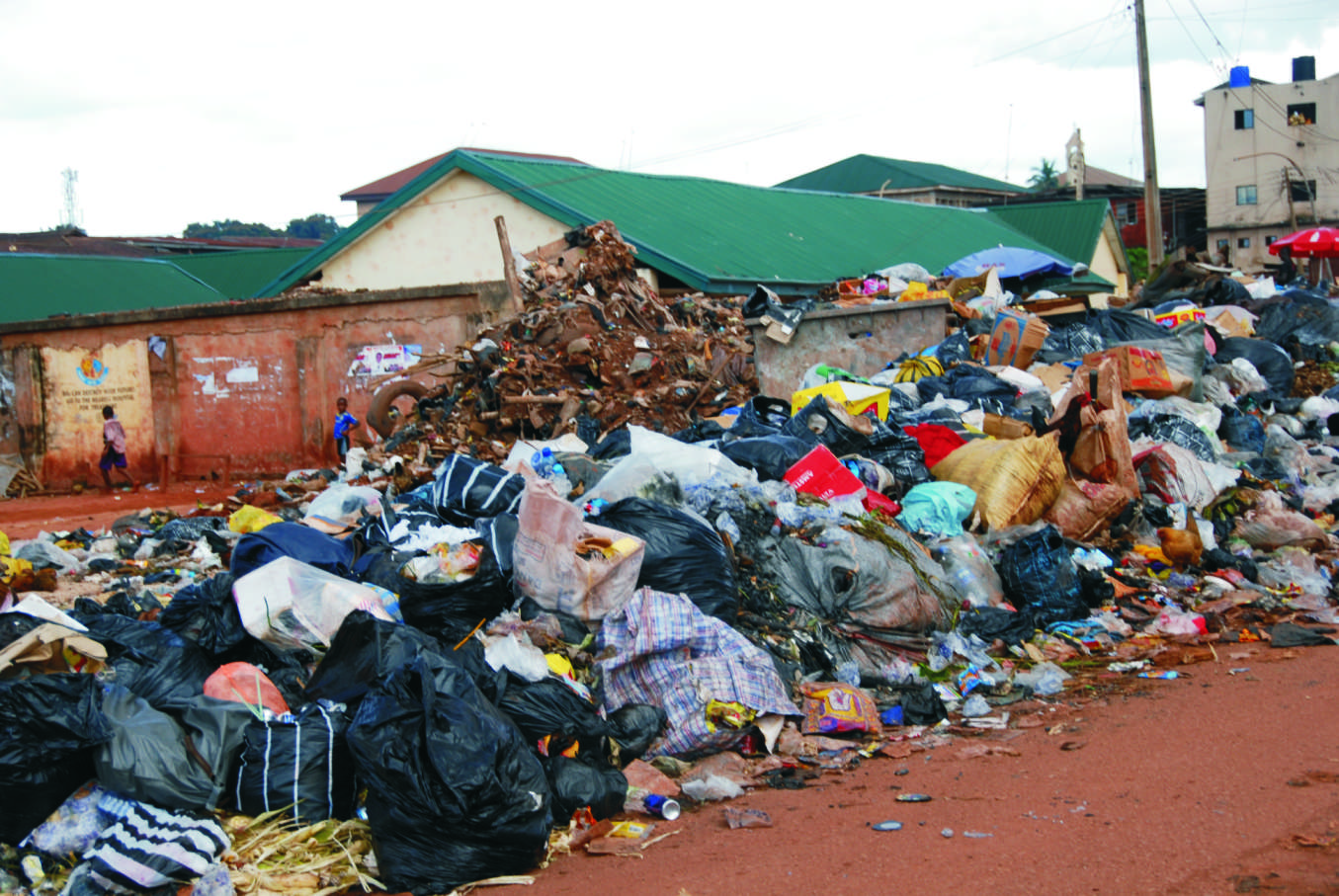
Health is one of the greatest assets any community can have. A clean environment promotes healthy living, while a polluted one creates the perfect conditions for diseases to spread. Unfortunately, illegal refuse dumping in Bwari has become a growing concern, especially in residential neighbourhoods where families live, work, and raise their children.
Advertisements
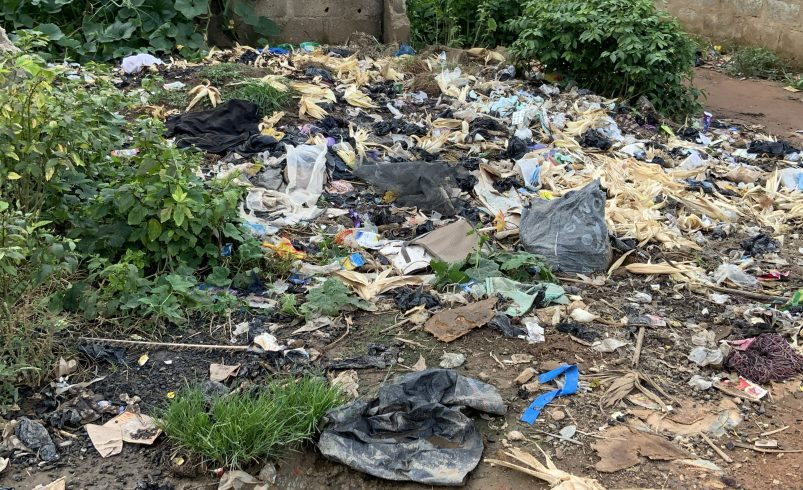
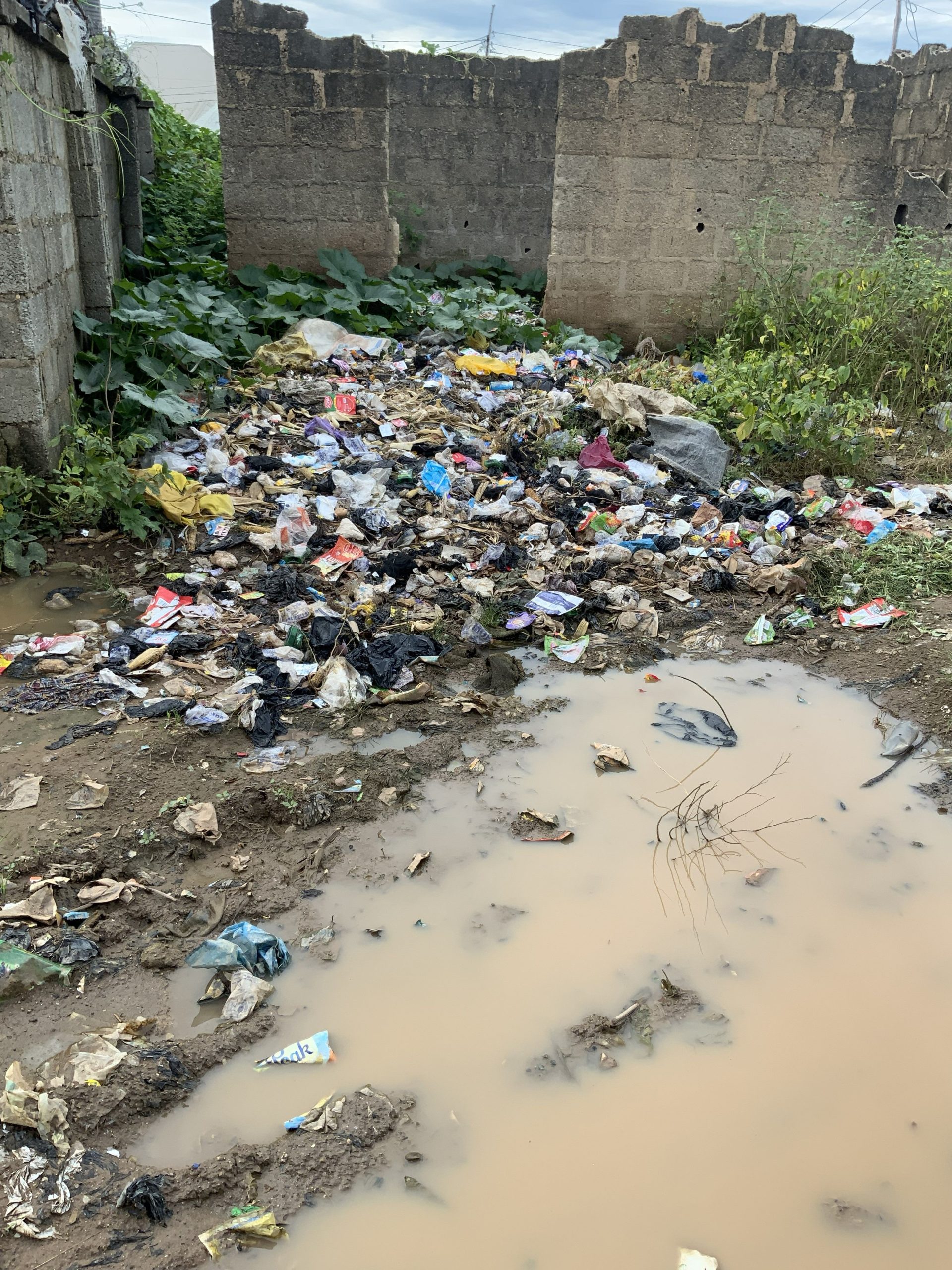
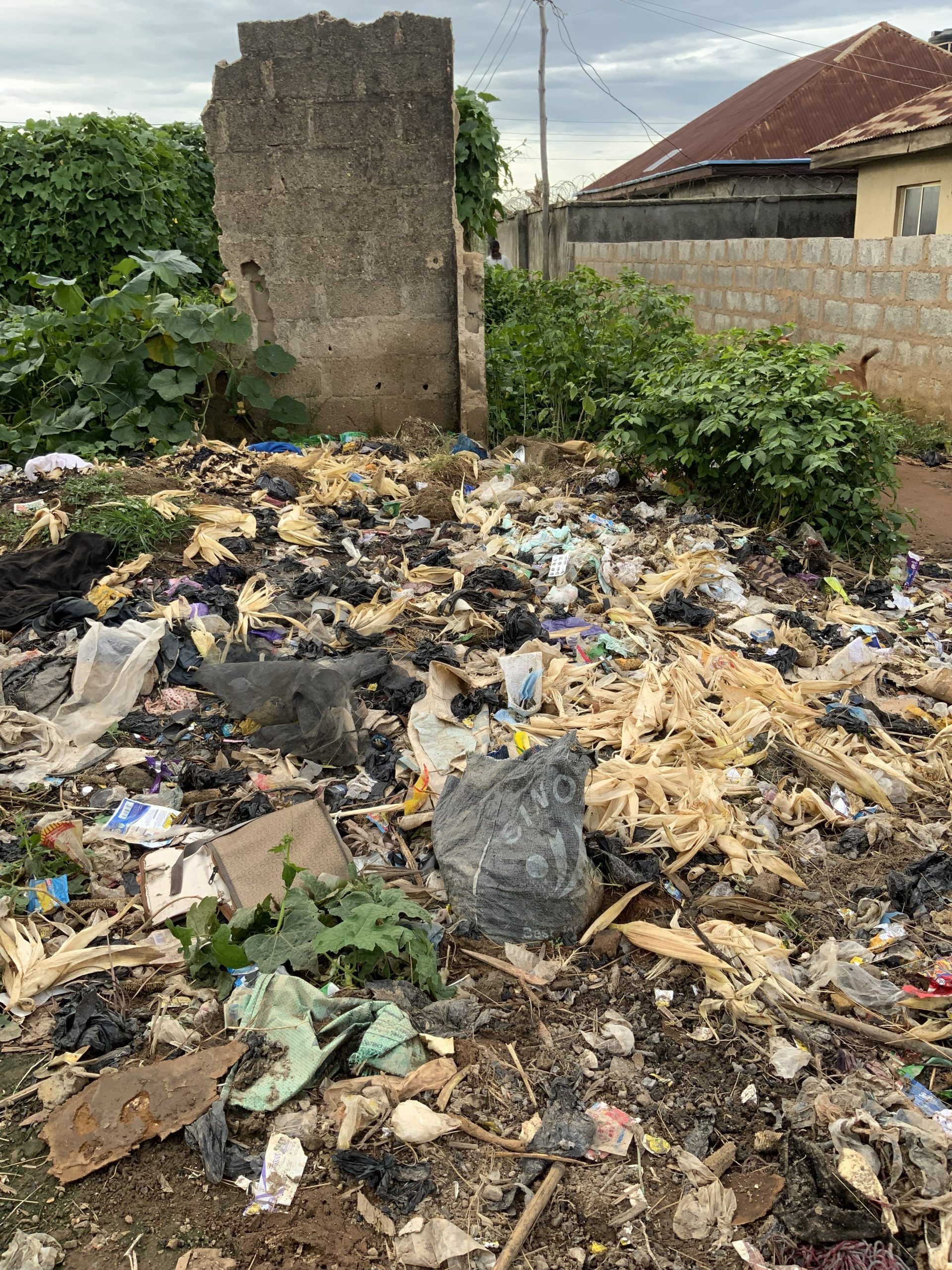
Across several parts of Bwari, heaps of refuse can be found close to homes, roads, and open spaces. Instead of using designated waste disposal points, some residents dispose of household waste in empty plots, roadside corners, drainage channels, and areas surrounded by residential buildings.
This unhealthy practice threatens public health and damages the image of a town that continues to grow rapidly.
Advertisements
A Common Sight Across Bwari
Walking through different communities in Bwari, it is difficult to ignore the increasing number of illegal refuse dumps.
Many of these sites contain:
Household waste
Leftover food
Rotten fruits and vegetables
Plastic containers
Animal waste
Human excreta (faeces)
Used diapers
Other decomposing materials
These refuse dumps are often located just a few metres away from homes where people eat, sleep, and raise their families.
Such conditions create an unhealthy environment that no community should accept as normal.
Illegal Refuse Dumping in Bwari
The Health Risks of Illegal Refuse Dumping
One of the first things people notice around these refuse dumps is the offensive smell. The odour is often unbearable, especially during hot afternoons or after rainfall.
However, the unpleasant smell is only one part of the problem.
When refuse is left exposed for long periods, it becomes a breeding ground for disease carrying organisms, including:
Flies
Mosquitoes
Rats
Cockroaches
Other harmful pests
These pests easily move from refuse dumps into nearby homes, contaminating food, water, and household surfaces.
Poor waste management has been associated with the spread of illnesses such as diarrhoea, cholera, typhoid fever, dysentery, and other infections. Children, pregnant women, and elderly residents are particularly vulnerable because of their weaker immune systems.
Environmental Impact on Bwari
Illegal dumping also affects the environment beyond human health.
When waste blocks drainage channels, it contributes to flooding during the rainy season. Plastics and non biodegradable materials remain in the environment for years, reducing the beauty of communities and polluting the soil.
The sight of overflowing refuse also discourages investors and visitors, creating the impression that environmental sanitation is not taken seriously.
A cleaner Bwari benefits everyone, from residents and businesses to schools, markets, and visitors.
Communities Must Take Ownership
While government agencies have an important role in waste management, maintaining a clean environment cannot be left to government alone.
Communities can work together by:
Identifying designated refuse disposal points.
Educating residents on proper waste disposal.
Organising regular community sanitation exercises.
Reporting illegal dumping activities.
Introducing community rules that discourage indiscriminate dumping.
Imposing reasonable fines on individuals who repeatedly dump refuse in prohibited areas.
When residents begin to protect their surroundings, everyone benefits.
Every Resident Has a Responsibility
Environmental sanitation starts with individual choices.
Simple actions like properly bagging household waste, using approved disposal sites, and discouraging neighbours from dumping refuse illegally can make a significant difference.
Parents also have a responsibility to teach children the importance of cleanliness so that good sanitation habits become part of everyday life.
A healthy environment begins with responsible citizens.
Government Support Is Still Essential
Although communities have an important role to play, government intervention remains necessary.
Relevant authorities can help by:
Providing more accessible waste collection points.
Partnering with community leaders to improve waste management.
Effective collaboration between residents and government will produce lasting results.
Together We Can Keep Bwari Clean
Illegal refuse dumping is more than an environmental issue. It is a public health challenge that affects every resident of Bwari.
A cleaner community reduces disease, improves quality of life, and creates a safer environment for children and future generations.
Everyone has a role to play. By disposing of waste responsibly, protecting our surroundings, and encouraging others to do the same, we can build a healthier and more beautiful Bwari.
After all, health is wealth, and keeping our environment clean is one of the simplest ways to protect it.
Frequently Asked Questions
Why is illegal refuse dumping dangerous?
Illegal refuse dumping attracts disease carrying pests, produces offensive odours, contaminates the environment, and increases the risk of illnesses such as cholera, typhoid, and diarrhoea.
What should residents do with household waste?
Residents should dispose of waste only at designated collection points or through approved waste collection services instead of dumping it in open spaces.
How can communities reduce illegal dumping?
Communities can educate residents, create designated waste disposal areas, organise sanitation exercises, report offenders, and enforce community sanitation rules.
Why is environmental sanitation important in Bwari?
Good sanitation protects public health, keeps neighbourhoods clean, prevents flooding, reduces disease outbreaks, and improves the overall quality of life for residents.
Quote:“A clean Bwari is not built by government alone. It is built by every resident who chooses responsibility over negligence.”
Follow us on Facebook for news updates. Remember to keep your communities clean.