

The recent statement by the FCT Minister, Nyesom Ezenwo Wike, during a media chat that commercial motorcycles (Okada) and tricycles (Keke Napep) may likely be banned in parts of the Federal Capital Territory has sparked widespread public debate. Keke, Okada or Open Grazing: What Should Be FCT’s Priority?

Although the Federal Capital Territory Administration (FCTA) has explained that the proposal is being considered as part of efforts to improve security, the discussion has left many Abuja residents asking an important question:
Is banning Okada and Keke the most urgent security issue facing the FCT?

For thousands of residents, commercial motorcycles and tricycles are not luxuries. They are daily necessities.
The Transport That Keeps Abuja Moving
Abuja may be Nigeria’s capital city, but public transportation does not adequately reach every community.
Many estates, villages, developing layouts, and inner streets are inaccessible to conventional taxis and buses. For residents living in these areas, Keke and Okada serve as the first and last mile connection between their homes and the nearest major road.
Every morning, civil servants, traders, artisans, students, healthcare workers, business owners, and market women depend on these means of transportation to reach bus stops, offices, schools, hospitals, and markets.
Without them, commuting becomes longer, more expensive, and in some communities, almost impossible.
If restrictions are introduced without practical alternatives, it is ordinary residents who are likely to bear the greatest burden.
A Source of Livelihood
Beyond transportation, commercial motorcycles and tricycles provide employment for thousands of young Nigerians.
Many operators depend entirely on their daily earnings to support their families, pay school fees, and meet basic living expenses.
While security concerns deserve serious attention, public policy should also consider the economic consequences of removing a major source of income without providing alternative opportunities or improving public transport.
Another Issue Residents Cannot Ignore
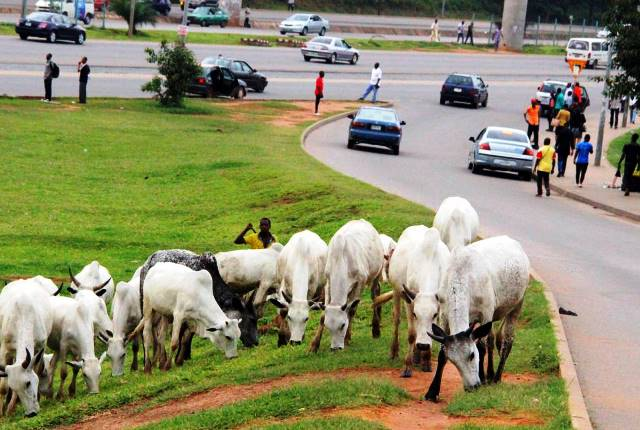
While discussions continue around Okada and Keke, many residents believe another long standing issue deserves equal attention: the movement of cattle on roads and within urban areas of the FCT.
It is not uncommon to see herds of cattle moving through parts of Abuja, including major roads and high profile districts.
Residents have repeatedly expressed concerns that cattle on busy roads can:
- obstruct traffic,
- contribute to congestion,
- increase the risk of road accidents,
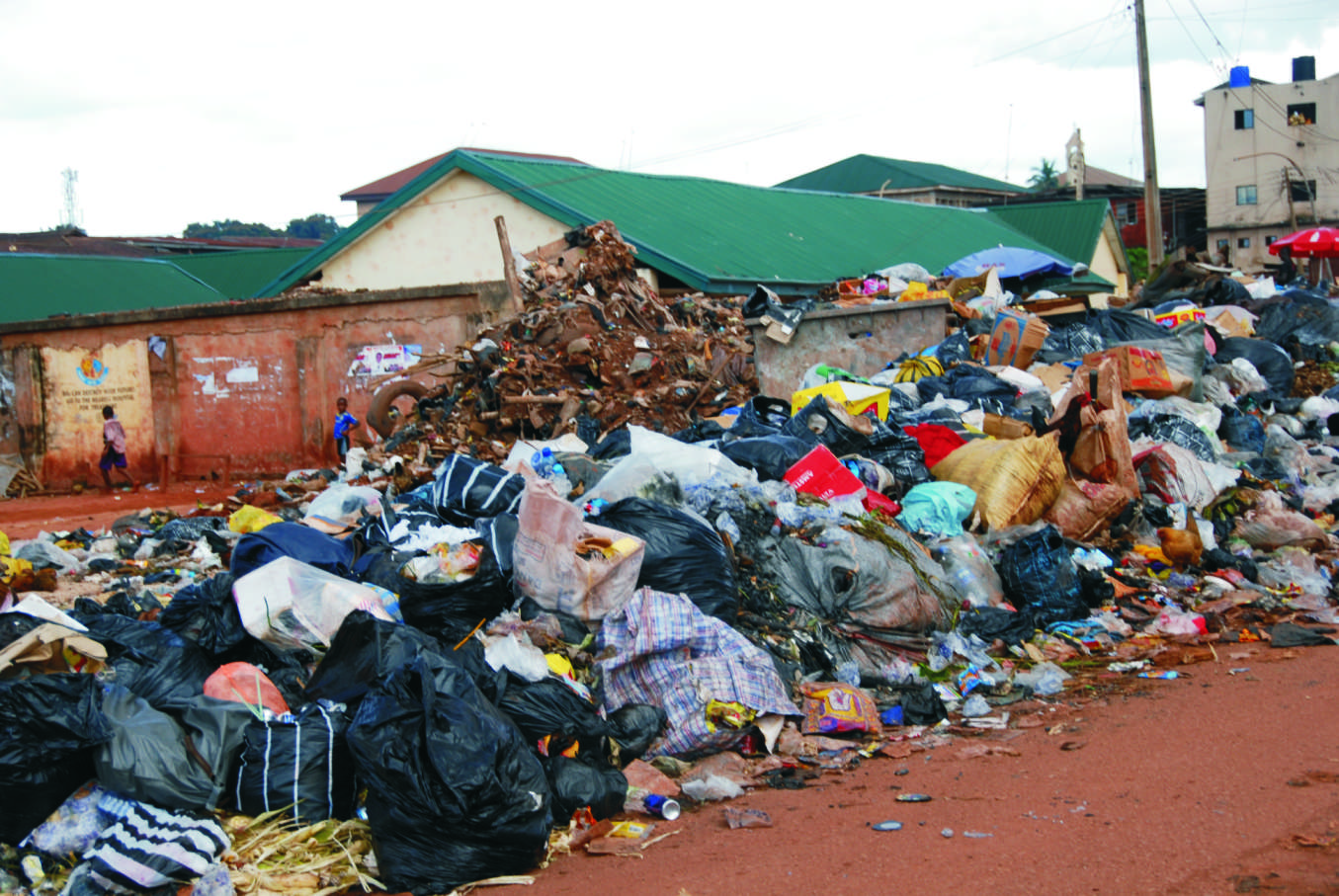
- create sanitation challenges through animal waste left on public roads,
- damage public green areas, and
- affect the image of Nigeria’s capital city.
These concerns have been raised for years and remain part of the wider discussion on urban planning and environmental management.
Open Grazing Also Raises Security Questions
Beyond environmental and traffic concerns, open grazing within the Federal Capital Territory also raises legitimate security questions.
Nigeria has witnessed numerous violent conflicts involving armed criminal elements operating under the guise of herders, as well as long running farmer herder conflicts in states such as Benue, Plateau, Kaduna, Nasarawa, Taraba, and parts of the North Central region. These conflicts have resulted in the loss of thousands of lives, the displacement of entire communities, and the destruction of farms and livelihoods.
It is important to emphasize that not every herder is a criminal, and many pastoralists carry out their activities peacefully. However, security agencies have repeatedly reported cases where criminal groups have exploited remote grazing routes and forests to perpetrate kidnapping, banditry, cattle rustling, and other violent crimes.
This history naturally raises concerns whenever unrestricted cattle movement occurs within sensitive urban locations.
As Nigeria’s seat of government, Abuja deserves a security framework that minimizes avoidable risks. The presence of roaming cattle in strategic areas such as the Central Area, Maitama, Asokoro, Wuse, and other districts prompts reasonable questions about monitoring, regulation, and public safety.
If the FCTA considers Okada and Keke worthy of restriction because of potential security concerns, many residents believe that open grazing within the capital should receive the same level of scrutiny and decisive policy attention.
A Question of Priorities
Good governance requires balancing multiple challenges simultaneously.
If authorities are considering stricter measures against Okada and Keke because of security concerns, many residents believe similar urgency should be applied to issues affecting road safety, environmental cleanliness, orderly urban development, and security itself.
The conversation should not be about choosing one issue over another. Rather, it should focus on ensuring that every significant public concern receives the attention it deserves.
The Way Forward
The FCT is one of Africa’s fastest growing capital cities. Its transportation policies should reflect the realities faced by millions of residents.
Before implementing any broad restrictions on Okada and Keke, authorities should consider:
- expanding affordable public transportation into underserved communities,
- improving road infrastructure,
- strengthening the regulation and identification of commercial riders,
- engaging transport unions and community leaders,
- enforcing existing traffic and public safety regulations,
- developing designated grazing policies that prevent cattle from roaming major roads and urban districts, and
- addressing persistent sanitation and environmental concerns associated with livestock movement within the city.
Policies are most effective when they solve problems without creating new ones.
Final Thoughts
The discussion surrounding Okada and Keke should not simply be about banning a mode of transportation. It should be about creating a safer, cleaner, more organized, and economically inclusive Abuja.
Residents deserve secure communities, reliable transportation, orderly streets, and policies that protect both public safety and economic opportunity.
As the FCTA weighs its options, many Abuja residents will be watching closely, hoping that any decision reflects not only security considerations but also the everyday realities of the people who rely on these services to earn a living and move around the nation’s capital.
If the objective is truly to make Abuja safer, then security policies should be comprehensive, evidence based, and applied consistently across all sectors. Addressing transportation concerns is important, but so too is tackling the longstanding issues surrounding unrestricted cattle movement, urban sanitation, and the broader security risks associated with poorly regulated open grazing. A modern capital city deserves policies that protect lives, preserve livelihoods, and project the image of a well managed nation.
Follow us on Facebook and also comment you opinion in the comment section.