

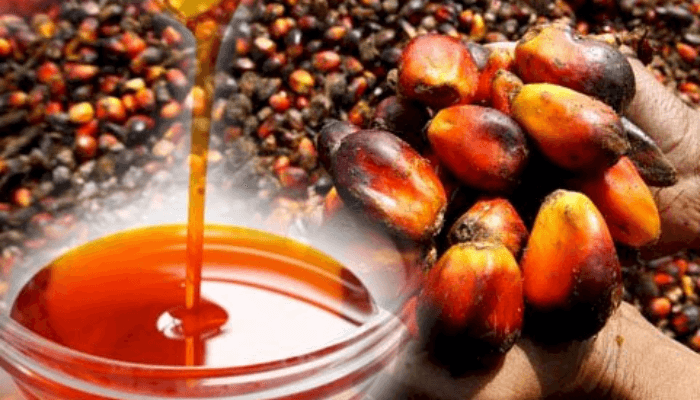

Beware of Adulterated Palm Oil.
There have been rumors for years about adulterated palm oil. Unfortunately, those rumors have been confirmed by NAFDAC and health researchers.

Some unscrupulous vendors and producers are now adding illegal synthetic dyes and chemicals to palm oil to make it look more red, and to increase volume and profit.
What are they adding?
The most commonly reported adulterants are:

1. Sudan Red Industrial dyes used for textiles and shoe polish. Banned in food worldwide.
2. Textile dyes and other colorants: To give that unnaturally bright “fire red” color
3. Achu oil, waste engine oil, or other cheap oils: Mixed in to bulk the quantity
These substances are NOT food grade and are never meant for human consumption.
When you eat food cooked with dye-laced oil over time, the chemicals build up in your body. Reported and researched health effects include:
– Liver damage: Your liver filters toxins. Constant exposure can lead to inflammation, fatty liver, and liver failure
– Kidney damage: The kidneys also get overworked trying to remove these chemicals
– Cancer risk: Sudan dyes are classified by WHO/IARC as possible carcinogens. Long-term exposure increases risk- Stomach ulcers, diarrhea, and food poisoning
– Hormonal disruption and developmental issues, especially risky for pregnant women and children
This may be one reason we are seeing more cases of unexplained liver and kidney problems in hospitals lately.
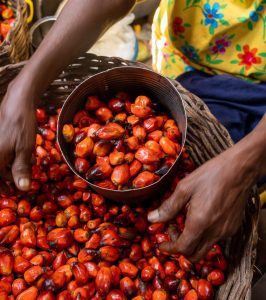
How to identify adultrated palm oil
1. Color test: Natural palm oil is reddish-orange. Be suspicious of oil that is neon red or too uniform in color
2. Smell test: It should smell like fresh palm fruit. A chemical, paint, or kerosene smell is a red flag
3. Stain test: Rub a small amount on white paper or cloth. Excessive, stubborn staining can indicate dye
4. Boiling test: Adulterated oil may foam excessively or produce a strange smell when heated
5. Source, Buy only from trusted vendors, cooperatives, or NAFDAC-registered brands. Ask where the oil was processed. Local mills you can see are often safer
You may like these:
Stay safe. BwariTimes cares, follow us on Facebook for more.
1 Comment
-
This is expository and the sure cause of kidney and liver issues. God will help us.