
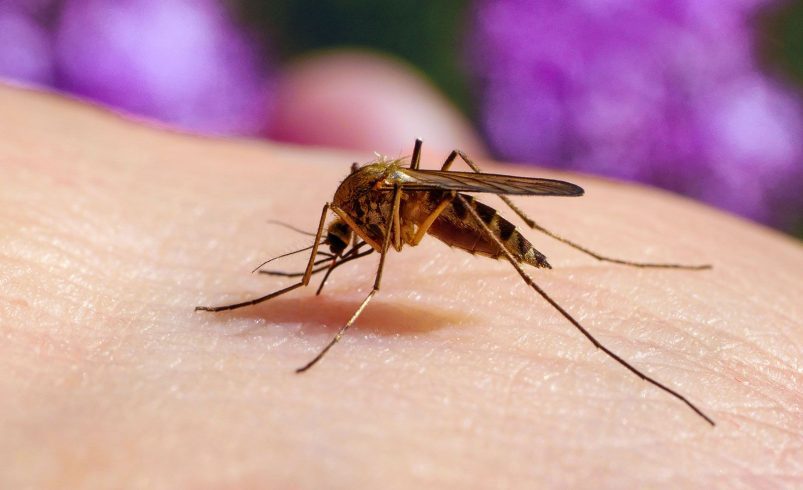

For many households, the rainy season brings more than cooler weather and relief from the heat—it also creates the perfect conditions for mosquitoes to breed. After a rainfall, water can easily collect around homes in buckets, old tyres, flowerpots, discarded containers, gutters, drainage channels and small puddles. If these areas are left unattended, they can quickly become breeding sites for mosquitoes.

For families, this increase in mosquitoes can mean more bites, disturbed sleep and, more importantly, a greater risk of mosquito-borne diseases such as malaria, dengue fever and yellow fever. Children, pregnant women and other vulnerable members of the household can be particularly affected by mosquito-borne illnesses.
This makes mosquito prevention a responsibility that starts at the household level. Every family can play a role by keeping its compound clean, clearing blocked drains, covering stored water and removing anything that allows rainwater to collect.

Keeping your home and surroundings clean and free of stagnant water is a simple but powerful way to reduce mosquito breeding. By taking a few minutes to inspect and clean around the house, especially after rainfall, local households can reduce mosquitoes, protect their families and contribute to a healthier community.
Here are ways to keep your environment free from mosquitoes
1. Empty stagnant water regularly
Walk around your compound at least once a week and check for places where water has collected. Empty buckets, old tyres, flowerpots, cans, bottles and other containers holding water.
Don’t just pour out the water—turn the container upside down or store it where rain cannot collect inside it.
2. Keep gutters and drains flowing
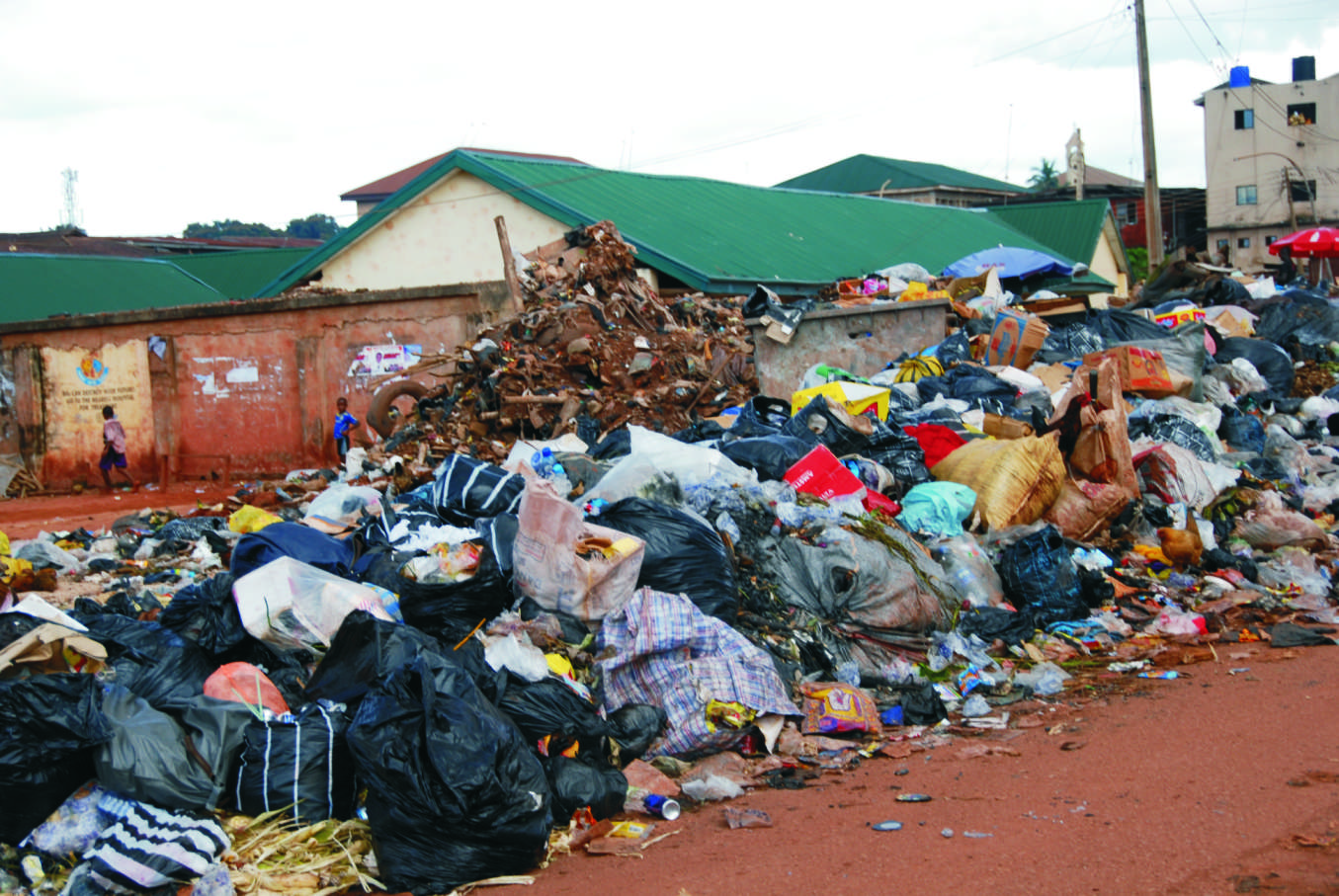
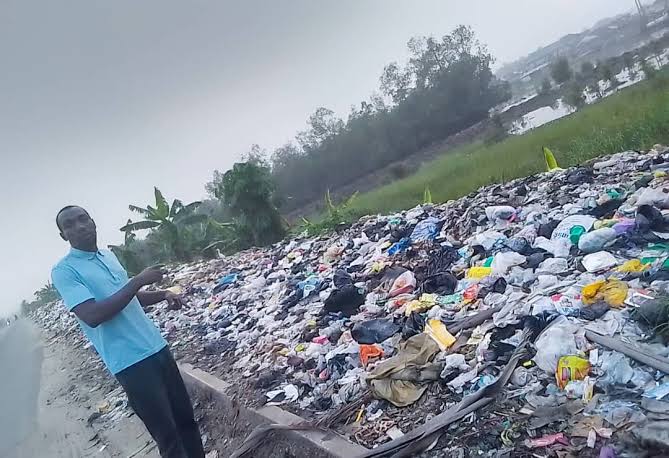
Blocked gutters and drains can become mosquito breeding grounds. Remove leaves, mud, plastic waste and other debris that prevent water from flowing.
After heavy rainfall, inspect your drainage areas and clear any new blockages.
3. Cover stored water
If you store water in drums, tanks, buckets or other containers, keep them tightly covered. If a container cannot be covered, empty and clean it regularly to prevent mosquitoes from laying eggs.
4. Dispose of waste properly
Discarded cans, plastic containers, bottles and tyres can collect rainwater. Dispose of unwanted items properly instead of leaving them around the compound.
5. Cut overgrown bushes
Regularly clear tall grasses, weeds and bushes around your home. Although mosquitoes breed mainly in water, vegetation can provide cool, sheltered areas where adult mosquitoes rest.
6. Protect yourself indoors
Keep doors and windows screened where possible, and sleep under an insecticide-treated mosquito net, particularly at night when many malaria-transmitting mosquitoes are active.
Use approved mosquito repellents or indoor insecticides according to their instructions.
7. Check your surroundings after every rainfall
Don’t wait until mosquitoes become a problem. After rain, inspect your compound and nearby areas for newly formed pools of stagnant water and remove them as quickly as possible.
A Small Action Can Prevent a Big Health Problem
Mosquito control starts at home but benefits the entire community. Every stagnant pool removed is one less potential breeding site.
This rainy season, make it a routine to inspect your surroundings, clear blocked drains, dispose of containers that collect water and keep stored water covered.
Clean surroundings. No stagnant water. Fewer mosquitoes. A healthier community.