



Cholera Control Measures in Bwari: How to Keep Bwari Free From Cholera
Cholera remains one of the most dangerous waterborne diseases capable of claiming lives within hours if left untreated. Bwari Area Council has experienced the painful impact of this disease in the past, making it necessary for residents, community leaders, health workers and government authorities to remain vigilant.

Cholera Outbreaks in Bwari
Historical reports confirm that Bwari Area Council, particularly Ushafa, experienced serious cholera outbreaks between 2018 and 2019, resulting in several deaths.
In August 2018, health authorities confirmed a cholera outbreak affecting Ushafa and other communities within the Federal Capital Territory. Reports indicated that at least five people died in Ushafa, while the FCT Administration later confirmed deaths across Ushafa, Kubwa Village, Mpape and Sauka. Health officials immediately launched sanitation campaigns, supplied medicines to health centres and began community awareness programmes to stop further spread.

While nationwide cholera surveillance was active in 2017, available verified records do not show a major confirmed outbreak in Bwari that year. However, Nigeria experienced several outbreaks in other states, prompting the Nigeria Centre for Disease Control (NCDC) to intensify preparedness nationwide.
Why Cholera Spreads
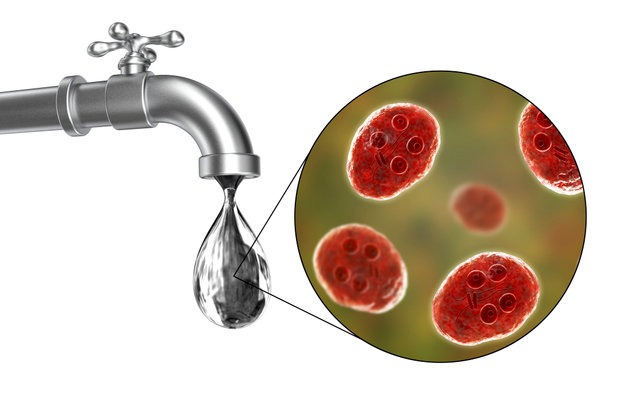
Cholera is caused by the bacterium Vibrio cholerae and spreads mainly through contaminated water and food. Factors that increase the risk include:
- Open defecation.
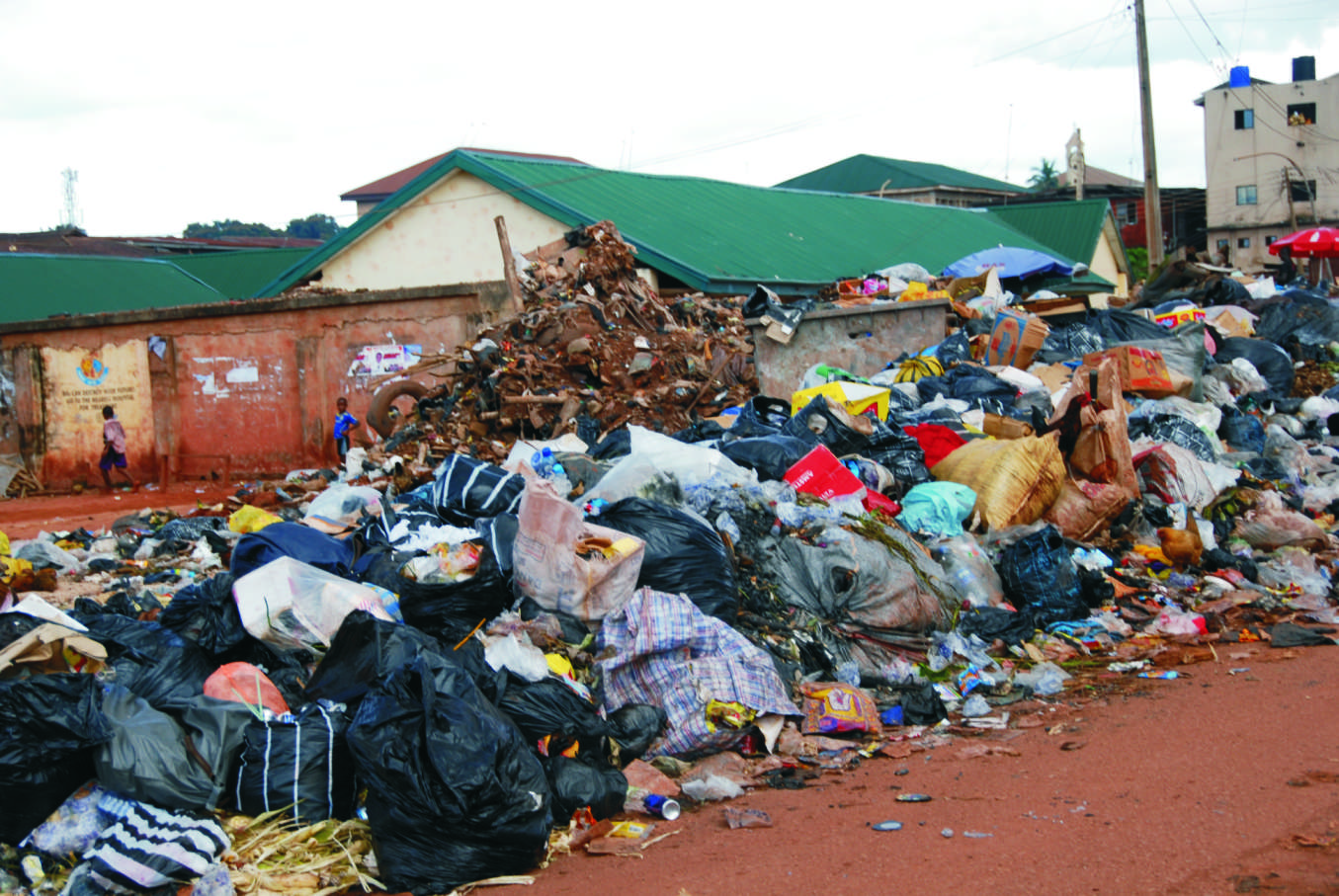
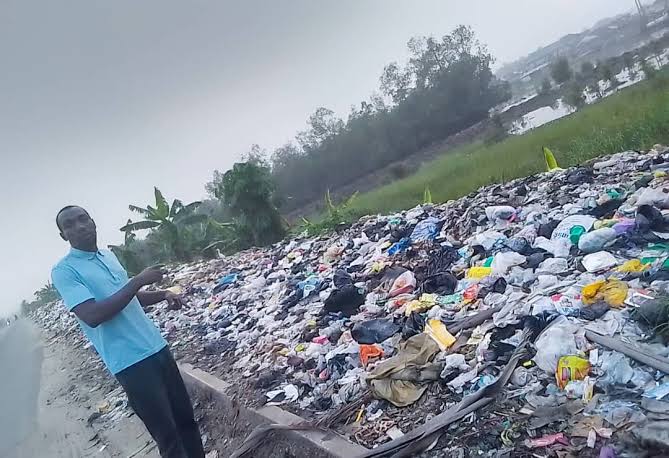
- Poor refuse disposal.
- Blocked drainages.
- Drinking untreated water.
- Poor hand hygiene.
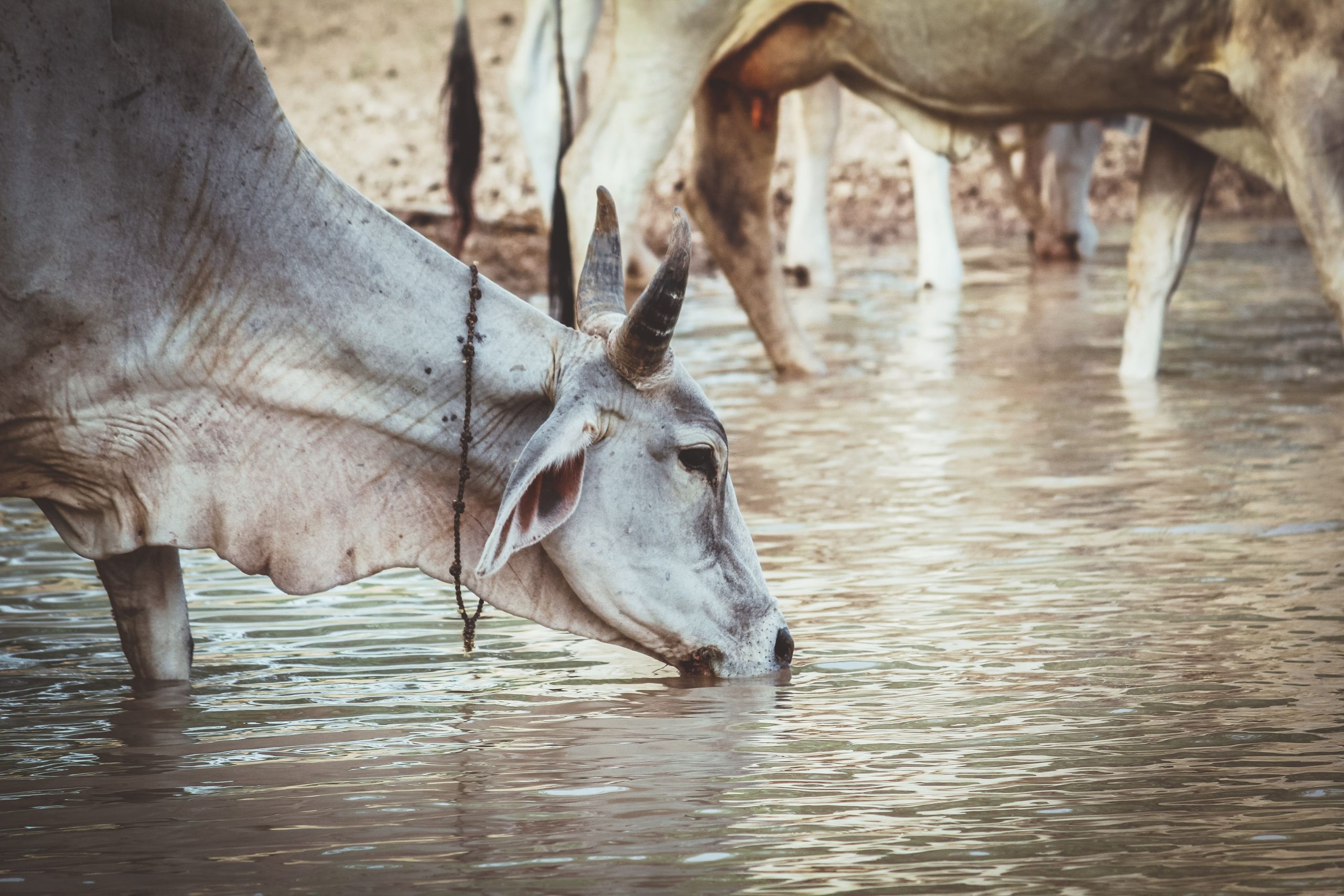
- Flooding that contaminates wells and water sources.
- Food sold in unhygienic environments.
- Communities with inadequate sanitation are especially vulnerable during the rainy season.
How to Keep Bwari Free From Cholera
1. Keep the Environment Clean
Residents should stop indiscriminate dumping of refuse in streets, drainages and waterways. Waste should only be disposed of at approved collection points.
2. Provide Public Waste Collection Points
Government should establish well-marked refuse collection centres in every ward so residents know where to dispose of household waste properly.
3. Clear Drainages Regularly
Blocked gutters create stagnant water and encourage contamination during heavy rains. Routine desilting of drainages should continue across Bwari.
4. Ensure Safe Drinking Water
Residents should:
- Boil drinking water.
- Use chlorine tablets or WaterGuard where necessary.
- Protect wells from contamination.
- Store water in clean, covered containers.
5. Wash Hands Frequently
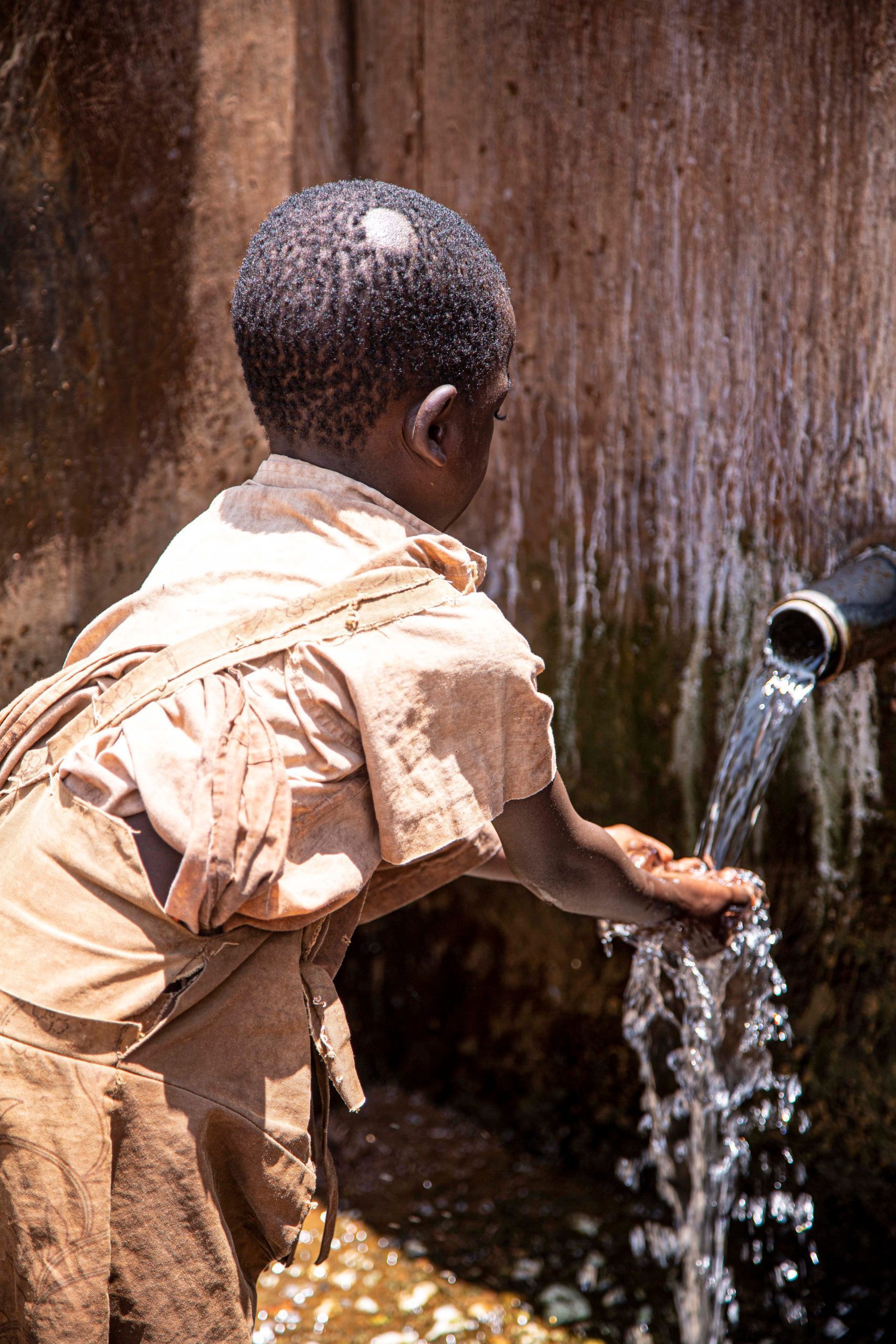
Handwashing with soap should become a daily habit, especially:
- Before eating.
- Before preparing food.
- After using the toilet.
- After cleaning children.
6. Practice Safe Food Handling
Food vendors and restaurants should prepare meals under hygienic conditions, while residents should avoid consuming contaminated or improperly cooked food.
7. End Open Defecation
Every household should have access to sanitary toilets. Community leaders should discourage open defecation, especially around rivers and streams.
8. Strengthen Disease Surveillance
Primary healthcare centres should immediately report suspected cholera cases. Early detection helps prevent widespread outbreaks.
9. Public Awareness Campaigns
Traditional rulers, religious institutions, schools and community associations should regularly educate residents about cholera prevention, especially before and during the rainy season.
10. Rapid Government Response
The Area Council, FCT Administration and health agencies should maintain emergency supplies of oral rehydration salts (ORS), intravenous fluids, antibiotics where appropriate, chlorine, and safe water treatment materials to quickly respond to suspected outbreaks.
Signs and Symptoms of Cholera
Residents should seek immediate medical attention if they experience:
- Sudden watery diarrhoea.
- Persistent vomiting.
- Severe dehydration.
- Sunken eyes.
- Muscle cramps.
- Extreme weakness.
Early treatment can save lives.
A Shared Responsibility
Keeping Bwari free from cholera is not the responsibility of government alone. Every resident has a role to play by maintaining personal hygiene, protecting water sources and keeping the environment clean. Community sanitation exercises, prompt waste disposal and continuous public education can significantly reduce the risk of future outbreaks.
The tragic cholera cases recorded in Ushafa serve as a reminder that prevention is always better than cure. With cleaner neighbourhoods, improved sanitation and collective resp
onsibility, Bwari can become a healthier and safer community for everyone.
1 Comment
Bwari market is closer to farmers and that’s why things are very cheap. I shop my food items there.