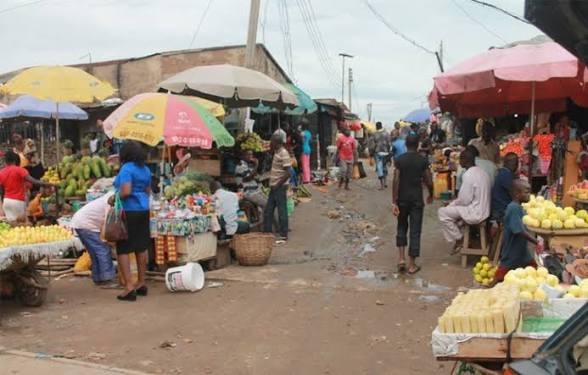







Bwari is changing. New houses are rising. Roads are expanding. Businesses are opening. New residents continue to arrive, and communities that were once separated by farms and stretches of undeveloped land are increasingly becoming part of a rapidly growing urban environment. For many residents, this expansion represents progress. But beneath the development is another story that deserves attention.

It is the story of the Gbagyi people of Bwari, the indigenous people whose history, traditions and relationship with the land existed long before Abuja became Nigeria’s Federal Capital. As Bwari grows and becomes increasingly urbanised, an important question deserves to be asked:
What happens to Bwari’s Gbagyi heritage when the environment that sustained it begins to disappear?

Bwari Before the Expansion of Abuja
Bwari is one of the six Area Councils of the Federal Capital Territory and is widely identified with the Gbagyi speaking people as its original inhabitants. Historical records also document the Gwari communities of the former Abuja Emirate and their customs, occupations, marriage practices, land tenure and traditional administration.
Long before the expansion of Abuja, much of the area was characterised by farming settlements and communities whose lives were closely connected to the land. Farming was not simply an economic activity. It was part of the culture.
The land provided food, supported families and connected generations to their ancestral communities.
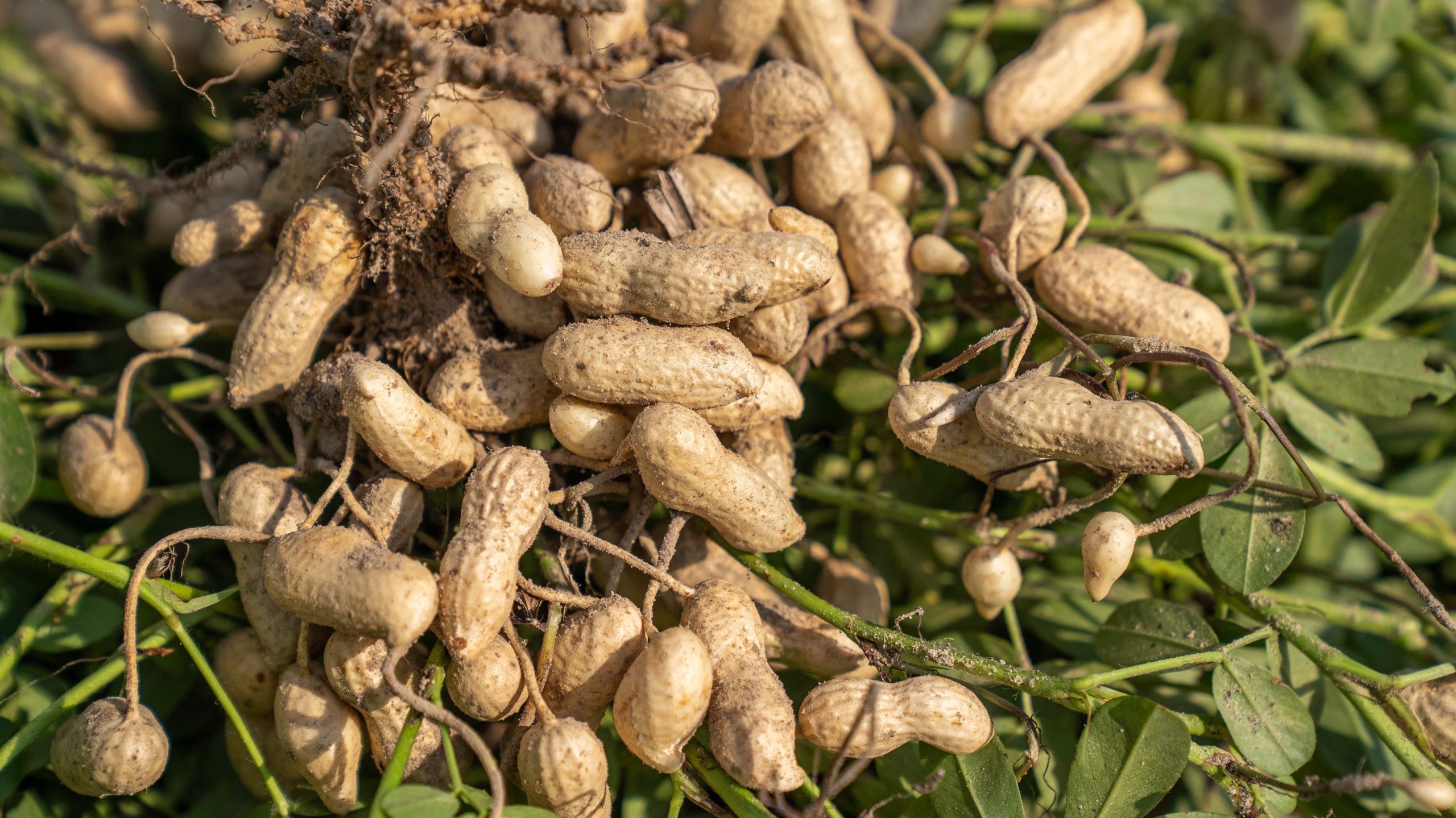
Crops such as yam, maize, millet, groundnuts and cucumber have traditionally featured among the agricultural produce associated with Gbagyi communities in Bwari. Pottery and trading have also formed part of the local economic and cultural life.
Today, much of that landscape is changing.
Farmlands are giving way to houses, roads, estates, commercial developments and other forms of urban expansion.
The question is not whether Bwari should develop.
The question is whether development can happen without gradually erasing the identity of the people who gave the area its historical character.
The Gbagyi Woman and the Load on Her Shoulder
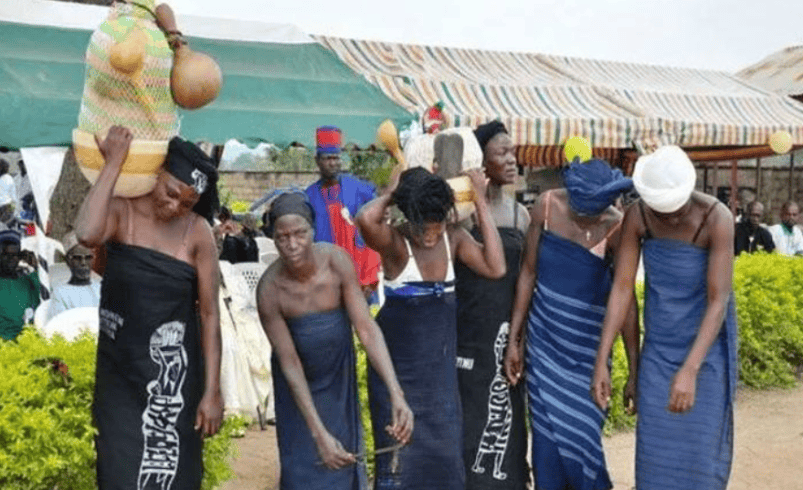
One of the most recognisable images associated with Gbagyi culture is the traditional practice of women carrying farm produce and other loads on their shoulders rather than on their heads. For generations, this has been more than a method of transportation. It has become a visible expression of Gbagyi identity.
Historical and cultural accounts document the practice and connect it with traditional beliefs surrounding the use of the head and the carrying of loads. Research on Gbagyi heritage also identifies the practice of women carrying firewood and harvested farm produce using baskets or calabashes placed on their shoulders.
But as modern lifestyles replace traditional farming patterns, such practices are becoming less common in everyday life.
A younger generation growing up in an increasingly urban Bwari may know the image without understanding the history behind it.
That is how cultural erosion can happen.
Not necessarily through a deliberate decision to abandon tradition, but through the gradual disappearance of the circumstances that once made the tradition part of everyday life.
When Language Begins to Fade
Perhaps one of the biggest threats to cultural survival is language.
A culture can survive without some of its material possessions, but when its indigenous language disappears, an enormous amount of traditional knowledge can disappear with it.
The Gbagyi language has historically served as an important means of preserving the people’s cultural identity. Research on Gbagyi heritage identifies different dialectal forms, including Gbagyi and Gbari or Gwari Yamma varieties.
In Bwari today, many young people communicate comfortably in English, Hausa, Pidgin and other Nigerian languages.
This reflects Abuja’s diversity. But it also creates a challenge. How many children growing up in Bwari can hold a full conversation in Gbagyi?
How many can understand traditional Gbagyi names, expressions, songs and stories?
These questions matter because language is not simply a means of communication.
It carries history. It carries humour. It carries traditional knowledge. It carries names for places, plants, foods, customs and relationships that may not have exact equivalents in another language.
When a language disappears, part of the worldview of its people can disappear with it.
The Food That Carries History
Culture is also preserved on the dining table.
Among the traditional foods associated with the Gbagyi people is Ezhe, a corn or guinea corn based meal prepared into a soft dough and eaten with traditional soups.
Research on Gbagyi heritage identifies Ezhe as an important indigenous food and documents its preparation and association with traditional soups such as Agbenyi, Agunlala, Takwa and Nkunlo.
Foods like these tell stories about the agricultural environment, cooking methods and resources available to earlier generations.
But traditional food culture can also be affected by urbanisation.
As lifestyles change and younger generations become more exposed to foods from across Nigeria and the world, traditional dishes can gradually move from everyday meals to occasional cultural events.
That transition is not necessarily bad. Cultures naturally evolve. The danger is when knowledge of how these foods are prepared disappears completely.
Pottery: A Heritage That Deserves Attention
Bwari’s Gbagyi heritage is also connected to pottery. Traditional pottery has historically been an important craft among Gbagyi communities, particularly among women.
Clay could be transformed into useful household objects, including pots and other vessels.
The tradition connects the community to the land in a very literal way.
The soil provides the material. The knowledge is passed from one generation to another. The finished product becomes part of everyday life.
The cultural significance of Gbagyi pottery is also reflected in the wider recognition of Ladi Kwali, the celebrated Nigerian potter whose image appears on the ₦20 note and whose artistic heritage is associated with the Gbagyi cultural area.
The story of pottery therefore represents more than traditional craft. It represents a body of knowledge that can become an economic opportunity for younger generations if properly preserved and modernised.
Marriage, Family and Traditional Values
Gbagyi culture also has a rich history of marriage and family traditions. Historical accounts describe marriage practices in which a prospective husband could demonstrate his commitment to the bride’s family through years of labour and provision before marriage. Modern marriage practices have changed significantly, with bride price and other contemporary arrangements becoming more common. This illustrates an important reality about culture. Preservation does not necessarily mean freezing society in the past.
A tradition can evolve while retaining its meaning.
The challenge is ensuring that young people understand what existed before the modern version replaced it. Without that knowledge, cultural change can become cultural amnesia.
What Happens When Farmland Disappears?
For a community whose traditional economy has historically been strongly connected to agriculture, the disappearance of farmland has consequences beyond food production. It can affect family income. It can affect traditional knowledge. It can affect ceremonies and community relationships. It can affect the passing of farming skills from parents to children. Most importantly, it can weaken the relationship between people and ancestral land.
The Federal Capital Development Authority acknowledges that the creation of the FCT required the resettlement of Original Inhabitants to make way for infrastructure and that the government’s initial policy was to move Original Inhabitants outside the new FCT.
That history remains relevant today.
Across Abuja, indigenous communities have continued to raise concerns about displacement, compensation, access to land and the preservation of their cultural identity. The issue is therefore not simply about whether a particular farm has been lost.
It is about what happens when an entire way of life becomes increasingly difficult to maintain. Traditional Leadership and the Question of Identity Bwari’s traditional leadership structure also tells part of this story.
The Gbagyi traditional system recognises the Esu or Osu as a traditional authority supported by elders. At the same time, Bwari today has a modern Area Council administration and other traditional institutions operating alongside one another.
Historical changes following the creation of the FCT also altered the traditional political landscape. The installation of Musa Ijakoro as District Head of Bwari in 1976 and his later elevation as Sarki of Bwari created questions around the position and recognition of the Gbagyi traditional institution as the original inhabitants of the area.
For many indigenous communities, traditional institutions are not merely ceremonial. They are repositories of history. They preserve genealogies, customs, dispute resolution systems, land traditions and community identity. When traditional institutions become weakened or disconnected from the younger generation, another link to history can be lost.
Bwari Is Becoming More Cosmopolitan
There is no denying the transformation taking place across Bwari. Communities such as Kubwa, Dutse Alhaji, Byazhin, Bwari town and surrounding settlements have experienced significant population growth and development. People from different parts of Nigeria now live, work, trade and build businesses across the Area Council.
This diversity is one of Bwari’s strengths. It should not be viewed as a threat. The real challenge is ensuring that the growth of a diverse population does not push the indigenous culture into the background. Bwari can welcome everyone while still proudly preserving its Gbagyi heritage.
What Are We Losing?
Perhaps the most important question is not whether Gbagyi culture is changing.
It is. Every culture changes.
The more important question is which parts are being lost permanently?
Are fewer children speaking Gbagyi?
Are traditional songs and stories being forgotten?
Are traditional foods becoming rare?
Are pottery skills being passed to younger generations?
Are traditional marriage customs understood?
Are young people learning the history of their communities?
Are ancestral lands and culturally significant locations being preserved?
Are elders being given opportunities to document their knowledge before it disappears?
These are questions that Bwari’s communities, traditional institutions, schools, cultural organisations and government authorities should begin discussing more seriously.
Preserving Gbagyi Heritage in a Modern Bwari
Preserving culture does not mean rejecting modern development. Instead, Bwari can explore ways to make its indigenous heritage part of its future. Schools can introduce students to local history and indigenous languages. Cultural organisations can document traditional songs, stories, recipes and crafts. Traditional rulers can work with researchers to preserve oral histories.
Local authorities can identify and protect important cultural sites.
Young entrepreneurs can turn traditional crafts such as pottery, weaving, fashion and indigenous cuisine into modern businesses.
Bwari could also develop cultural festivals that showcase Gbagyi music, food, clothing, farming traditions, pottery and storytelling.
Such initiatives would not only preserve history.
They could create employment and tourism opportunities.
The Heritage We Leave Behind
Every generation inherits something from the generation before it.
For Bwari’s Gbagyi people, that inheritance includes language, land, food, farming knowledge, pottery, marriage traditions, stories, music, leadership systems and a deep relationship with the environment. The responsibility now is to determine what the next generation will inherit.
Abuja’s expansion cannot and should not be stopped. Development is necessary. But development should not require a people to disappear culturally. Bwari can become more modern without becoming disconnected from its roots. The new houses can stand beside old stories. Modern businesses can operate alongside traditional crafts. Young people can embrace technology while learning their indigenous language.
And a growing Bwari can continue to welcome Nigerians from across the country while proudly remembering that the Gbagyi people were here before the roads, estates and modern cityscape. The question is therefore not whether Bwari should develop. It is whether Bwari can develop without forgetting who it is.
That is the conversation worth having now. Bwari’s future should not come at the expense of Bwari’s memory.
Follow us on Facebook, we are live. Contact Us for inquiries, sponsorship or news update.