

The History of Bwari Area Council: From an Ancient Gbagyi Settlement to One of Abuja’s Fastest-Growing Communities
By BwariTimes Historical Desk
Long before Abuja became Nigeria’s Federal Capital Territory, the land now known as Bwari Area Council was home to the indigenous Gbagyi (Gwari) people, whose rich culture, farming traditions, and traditional institutions laid the foundation for one of the most historically significant communities in northern Nigeria.

Today, Bwari is recognized as one of the six Area Councils of the Federal Capital Territory (FCT), but its story stretches back hundreds of years.
The Origin of Bwari
According to oral tradition, Bwari traces its origins to the 17th century when a hunter from Zaria settled in the area with his family. One day, after giving his wife millet to prepare, she asked where she should pound it. He reportedly replied, “Bwaya,” meaning “Pound here.” The place became known as Bwayape (Bwari Hill) before the name gradually evolved into Bwari.

The community developed under the leadership of the Gbagyi people, who became known for farming, hunting, pottery, and a strong traditional governance system that still exists today.
Before Abuja Became the Federal Capital
Before the creation of the Federal Capital Territory, Bwari functioned as a traditional district under the former Abuja Emirate administration. Historical records indicate that the district structure had existed since 1936, long before Abuja was chosen as Nigeria’s new capital.
The Creation of the Federal Capital Territory (1976)
A major turning point came in 1976 when the Federal Military Government created the Federal Capital Territory through Decree No. 6, carving land from parts of the former Niger, Plateau, and Kwara States.
The decision transformed Bwari from a quiet rural district into a strategic community within Nigeria’s new capital territory. As Abuja expanded, Bwari attracted government institutions, workers, businesses, and people from different parts of the country.
When Was Bwari Area Council Created?
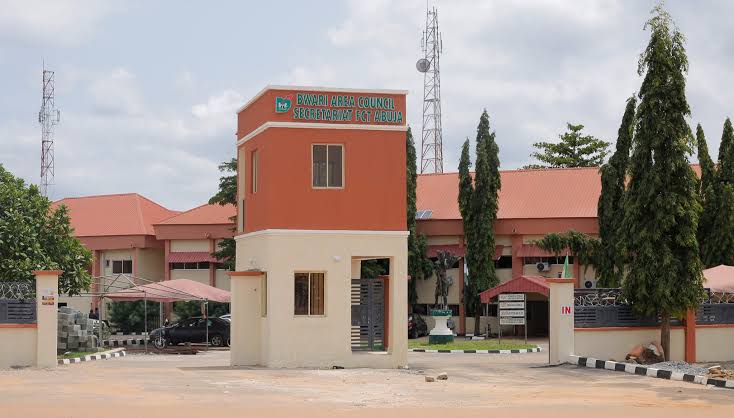
Although Bwari had existed as a district for decades, it officially became an Area Council on 1 October 1996 during the military administration of General Sani Abacha. The creation of Bwari, alongside Kwali Area Council, increased the number of Area Councils in the FCT to six: AMAC, Abaji, Gwagwalada, Kuje, Kwali, and Bwari.
Growth in the Democratic Era
Following Nigeria’s return to democratic rule in 1999, elected chairmen began administering the council through periodic Area Council elections.
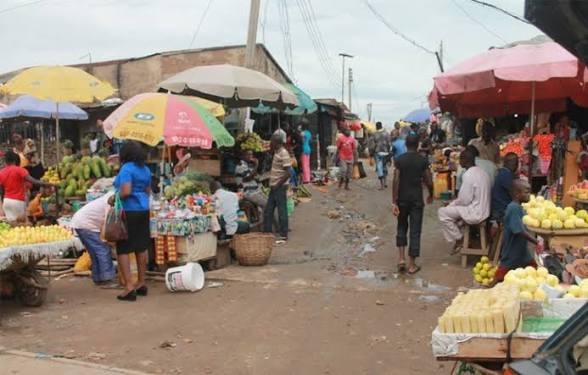
Rapid urban expansion from central Abuja transformed Bwari into one of the fastest-growing suburban communities in the FCT. Housing estates, markets, schools, hospitals, and businesses multiplied as thousands of civil servants and private-sector workers settled in the area.
Institutions That Changed Bwari
Several landmark institutions have contributed significantly to Bwari’s development, including:
– The Nigerian Law School, Bwari Campus.
– Joint Admissions and Matriculation Board (JAMB) Headquarters.
– Veritas University.
– Usuma Dam, one of Abuja’s major water sources.
– Numerous public and private secondary schools and health facilities.
Major Events That Shaped Bwari’s Development
Several events have defined the modern history of Bwari:
– 17th Century: Traditional founding of Bwari by early Gbagyi settlers.
– 1936: Bwari functioned as a district under the former Abuja Emirate.
– 1976: Inclusion in the newly created Federal Capital Territory.
– 1996: Official creation of Bwari Area Council.
– 1999: Return of democratic local government administration.
– 2000s–Present: Rapid urbanisation driven by Abuja’s population growth.
– Continuous expansion of roads, educational institutions, markets, healthcare facilities, and residential estates has transformed Bwari into one of the FCT’s most important satellite communities.
Bwari Today
Covering over 1,000 square kilometres, Bwari Area Council is home to communities such as Bwari Town, Ushafa, Kubwa, Dutse, Byazhin, Mpape, Dei-Dei, Kuduru, and several surrounding settlements. It remains one of the economic and educational hubs of the FCT while preserving the cultural heritage of the Gbagyi people.
Looking Ahead
As Bwari continues to grow, residents are calling for improved roads, better healthcare, modern drainage systems, quality education, environmental sanitation, and expanded economic opportunities.
The history of Bwari is a story of resilience and transformation—from an ancient Gbagyi settlement to a thriving Area Council at the heart of Nigeria’s Federal Capital Territory. Understanding that journey provides valuable insight into the community’s identity and the opportunities that lie ahead.
Follow us on Facebook for news updates and more within Bwari.