

ABUJA — The Federal Capital Territory Administration (FCTA) has intensified its efforts to reorganize public transportation in Abuja, directing commercial transport operators using unauthorised motor parks and roadside loading points to move to designated bus terminals.

The administration warned that operators who refuse to comply with the directive could have their vehicles impounded and their operating locations shut down.
The latest move is part of the FCTA’s broader plan to improve transportation management, strengthen security and reduce the activities of illegal transport operators across the Federal Capital Territory.

FCTA targets illegal motor parks and roadside loading
The FCTA Transportation Secretariat said commercial vehicles should no longer pick up or drop off passengers at unauthorised locations.
Transportation operators are expected to use government-approved terminals, where they can be properly registered and profiled.
The administration said the policy is intended to create a more organised transport system while making it easier for security agencies to monitor commercial transportation activities within Abuja.
Modern terminals in Mabushi, Kugbo and CBD
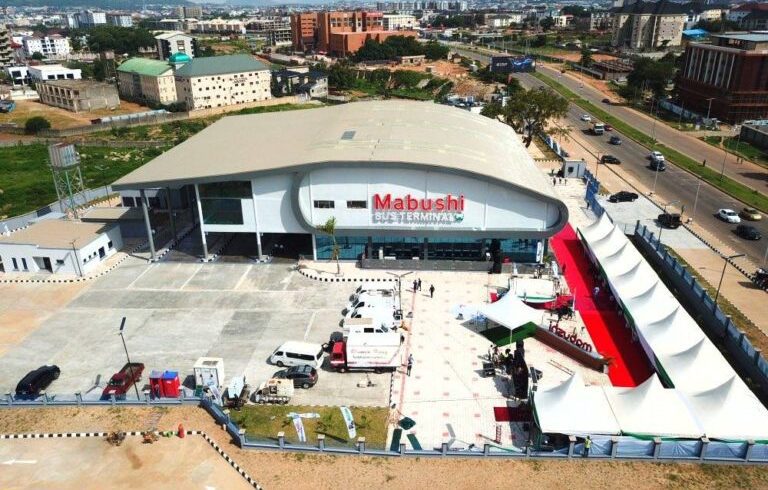
The FCTA has developed modern transport terminals in key parts of the city, including Mabushi, Kugbo and the Central Business District (CBD).
The terminals are expected to provide designated locations for commercial transport operations and reduce the dependence on roadside loading points and informal motor parks.
According to the FCTA, Mabushi will be among the locations where the new transportation arrangement will first be fully implemented.
Why FCTA is enforcing the policy
Beyond traffic management, the administration said security is one of the major reasons for the new approach.
Authorities believe that properly regulated transport terminals can help reduce crimes associated with unregistered or poorly monitored commercial vehicles.
The FCTA specifically linked the initiative to efforts to tackle incidents commonly referred to as “one-chance” robberies, as well as the movement of illegal drugs and arms through the city’s transport system.
The administration said previous enforcement operations led to the impoundment of vehicles operating from unauthorised locations, with some allegedly found carrying prohibited items.
Transport operators given warning
The FCTA has made it clear that the new policy will affect not only drivers but also the owners of properties and spaces being used as unauthorised motor parks.
Private premises, open spaces and other locations converted into illegal parks could be sealed, while vehicles operating from such locations may be impounded.
The administration, however, maintained that the policy is not intended to destroy the businesses of legitimate transport operators.
Instead, it said the objective is to move commercial transportation into safer, properly managed and purpose-built facilities.
What the directive means for Abuja commuters
The enforcement could significantly change how residents board commercial vehicles in several parts of Abuja.
Passengers who are accustomed to picking up vehicles from roadside locations or informal parks may increasingly have to use designated terminals.
For commuters travelling between Bwari, Dutse, Kubwa, Gwagwalada, Suleja and the Abuja city centre, the implementation of the policy could also affect existing loading points and transport routes.
BwariTimes will continue to monitor the implementation of the FCTA directive and its impact on transport operators, drivers and commuters across the Federal Capital Territory.
BwariTimes | Abuja’s community-focused news platform. Follow us on Facebook for updates.