
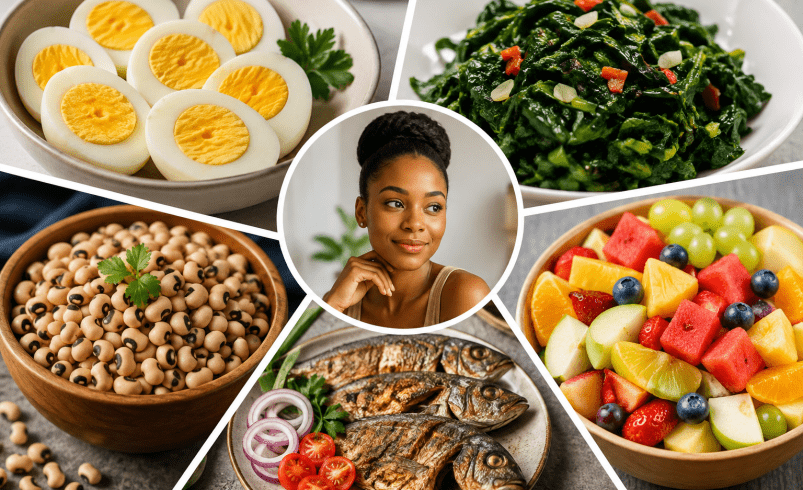


Turning 30 is not a signal that a woman suddenly needs a completely different diet. However, nutritional needs and lifestyle factors can change with age, making a balanced diet increasingly important. For women over 30, eating a variety of nutrient-dense foods can help provide essential nutrients such as protein, fibre, calcium, iron, healthy fats, vitamins and minerals.

If you’re looking for foods women over 30 should eat more often, here are five affordable and nutritious options worth adding to your regular meals.
Foods women over 30 years should eat
1. Eggs
Eggs are an affordable source of high-quality protein and contain several important nutrients.

Protein is important for maintaining muscle mass, while eggs also provide nutrients such as vitamin B12, selenium and choline.
For women who have busy schedules, eggs can also be a convenient breakfast or meal option.
You can enjoy boiled, poached or scrambled eggs alongside vegetables, whole-grain bread or other nutritious foods.
Try: Boiled eggs with vegetables or whole-grain toast for breakfast.
2. Leafy Green Vegetables
Vegetables such as spinach, ugu, kale and other dark leafy greens can provide fibre, folate, vitamin K, vitamin C and other beneficial plant compounds.
These vegetables can be particularly useful as part of a diet designed to support healthy digestion and overall wellbeing.
Adding vegetables to soups, stews, rice dishes or smoothies can make it easier to increase your daily vegetable intake.
Try: Add spinach or ugu to soups, eggs, beans or vegetable sauces.
3. Beans
Beans are one of the most useful foods to include in a healthy Nigerian diet.
They provide plant-based protein, fibre, iron, folate and other nutrients. Their fibre content can also help support digestive health and may help you feel full for longer.
Beans can be prepared in several ways, including bean porridge, moi moi or as part of a balanced meal.
Try: Combine beans with vegetables and a moderate portion of whole grains or other healthy carbohydrates.
4. Fatty Fish
Fish such as sardines, mackerel and salmon can provide protein and omega-3 fatty acids.
Omega-3 fats are important components of a healthy diet and are associated with cardiovascular health.
For women who don’t regularly eat fish, adding fish to meals several times a week can be a practical way to increase intake of important nutrients.
When possible, choose cooking methods such as grilling, baking, steaming or light pan-cooking instead of deep-frying.
Try: Grilled or steamed fish with vegetables and a moderate serving of rice, yam or another staple.
5. Fruits
Fruits are an easy way to add fibre, vitamins, minerals and naturally occurring plant compounds to your diet.
Oranges, pawpaw, watermelon, bananas, apples, guava and berries can all fit into a balanced eating pattern.
Rather than relying on fruit juice, eating whole fruit is generally a better way to get the fibre found naturally in the fruit.
Try: Keep a piece of whole fruit available as a convenient snack instead of reaching for highly processed snacks.
Why Nutrition Matters More After 30
There is no single “perfect diet” for every woman over 30. Your nutritional needs can depend on your activity level, pregnancy or breastfeeding status, dietary preferences and overall health.
However, one principle remains important: focus on nutrient-dense foods rather than simply counting calories.
A balanced plate can include vegetables, fruit, protein-rich foods, whole grains or other minimally processed carbohydrates and healthy sources of fat.
Simple Ways to Improve Your Diet
You don’t have to completely change your eating habits overnight.
Start with small changes:
- – Add vegetables to at least one more meal each day.
- – Choose whole fruit instead of sugary drinks more often.
- – Include a protein source such as eggs, beans, fish or lean meat in your meals.
- – Drink enough water throughout the day.
- – Reduce excessive intake of highly processed foods.
- – Choose grilled, steamed or boiled foods more often than deep-fried options.
- – Include different types of foods rather than relying on the same meals every day.
Final Take
For women over 30, healthy eating doesn’t have to be expensive or complicated. Eggs, leafy green vegetables, beans, fatty fish and whole fruits are practical foods that can contribute important nutrients to a balanced diet.
The goal isn’t to find one “superfood” that solves every health problem. Instead, build your diet around a variety of nutritious foods and maintain healthy habits consistently.
If you have a specific medical condition, pregnant, breastfeeding, or have particular nutritional needs, speak with a qualified healthcare professional or registered dietitian for personalised advice.
Disclaimer: This article is for general educational purposes and should not replace professional medical or nutritional advice.
Follow us on Facebook and connect with our marketing team for inquiries and sponsorship.