


Revenue Collection in Bwari: Time for Transparency and Reform by Tochukwu Cyril
Revenue collection is one of the most important sources of income for every local government. It provides the funds needed to maintain roads, clear drainages, improve markets, manage waste, provide street lighting, and deliver other essential public services.

In Bwari Area Council, businesses of different sizes contribute to the council’s internally generated revenue through various taxes, levies, and fees. These include:
- Business premises levy
- Environmental and sanitation levy
- Market stall/shop fees
- Daily market tickets
- Hawkers’ permits
- Signage and advertisement fees
- Motor park and loading fees
- Trade permits
- Other approved local government levies
While these payments are necessary for the development of the area, the current revenue collection process appears to have serious loopholes that deserve urgent attention.

From the Masses
A trader in Kuduru recently complained that multiple groups claiming to be revenue officers visited the same area demanding payment. According to the foodstuff seller, she had already paid one group only to be approached by another team the following day asking for the same levy.
When she explained that she had already paid, she was asked to produce a receipt. Unfortunately, she had none because the first group collected the money but promised to return later with the receipt.
This raises several important questions:
- Why should any government official collect revenue without issuing an official receipt immediately?
- Why are multiple groups reportedly operating within the same area?
- How can the council accurately monitor collections if businesses are not issued receipts at the point of payment?
- How much revenue could be lost through such a system?
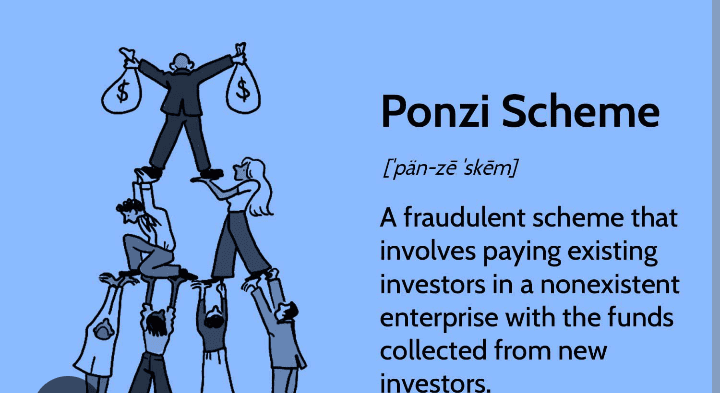
A manual revenue collection process creates opportunities for abuse. Unscrupulous individuals could collect money without remitting it to the council. Fake revenue agents may also exploit the confusion to extort traders and business owners. In addition, businesses that genuinely pay may be forced to pay repeatedly because there is no instant verification system.
Follow us for more information and contact us for breaking news around you.
The consequences are serious. The council loses revenue needed for development, businesses lose confidence in the system, and honest taxpayers become discouraged from complying with their obligations.
Bwari Area Council can strengthen revenue collection by embracing modern technology. Digital payment platforms, electronic receipts with unique verification numbers or QR codes, dedicated revenue collection teams assigned to specific zones, and a central database that instantly records every payment would significantly reduce fraud and improve accountability.
Revenue officers should also wear clearly identifiable uniforms and official identification cards, making it easier for traders to distinguish genuine officials from impostors.
Improved collection system
Improving the revenue collection system is not only about increasing government income—it is about building public trust. When taxpayers are confident that every naira they pay is properly documented and used for community development, voluntary compliance naturally increases.
As Bwari continues to grow, its revenue administration must also evolve. A transparent, accountable, and technology-driven system will protect businesses, reduce leakages, and ensure that public funds truly serve the people they are meant to benefit.
The Chairman of Bwari Area Council has an opportunity to lead this reform by introducing a more transparent and efficient revenue collection process that leaves little room for fraud, duplication, or exploitation.
Follow us on Facebook and other social media handles.