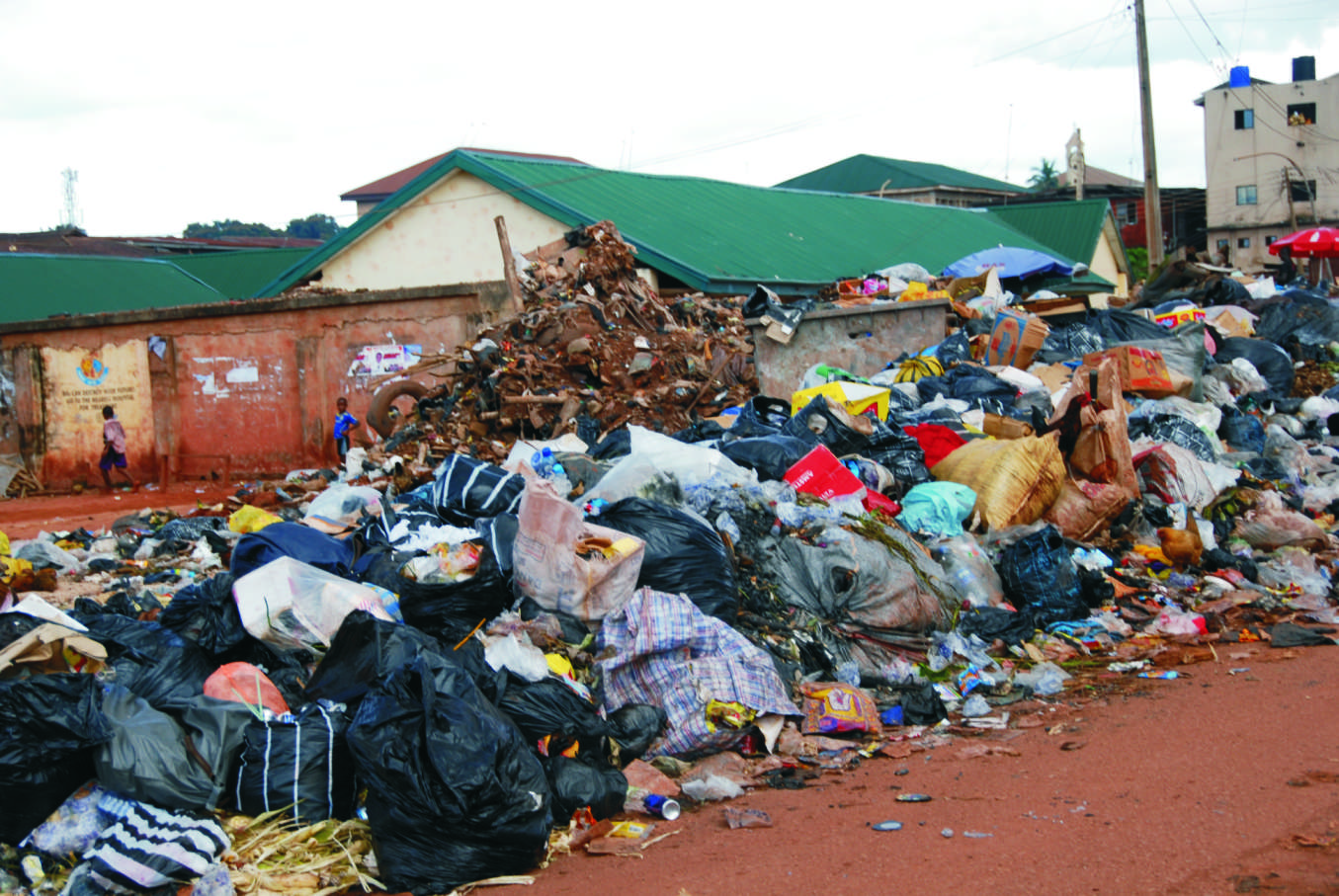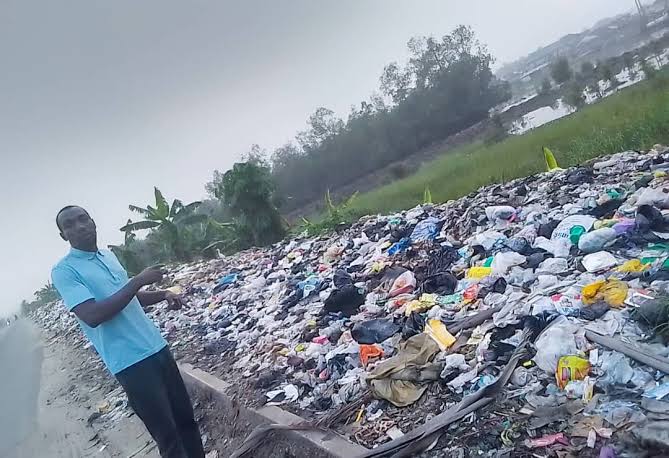

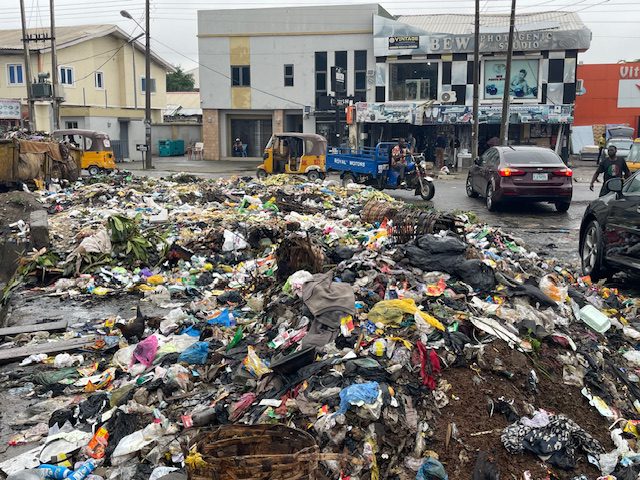

Abuja, Nigeria: Abuja is beginning to face a sanitation problem that should not be ignored. Across parts of the Federal Capital Territory, piles of refuse, indiscriminate dumping and open defecation are becoming increasingly common. Beyond making the city unattractive, the situation poses a serious concern for public health, particularly during the rainy season may lead to disease outbreaks.

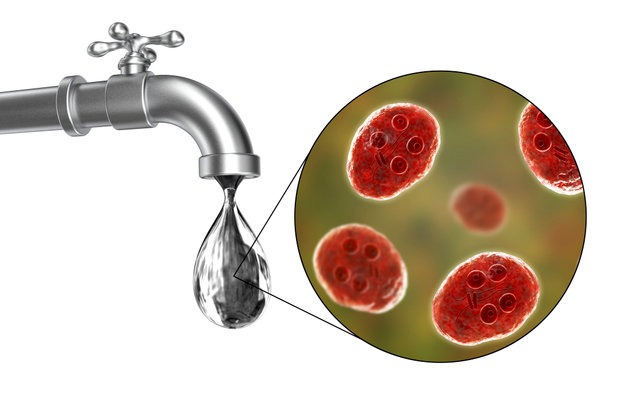
When heavy rain falls, waste and human waste dumped in gutters, drainage channels and open spaces can be carried by floodwater into other areas. In some communities already experiencing flooding, this creates an even greater concern because contaminated water can spread into residential areas and potentially contaminate water sources.
Poor sanitation can increase the risk of diseases such as cholera, typhoid fever, diarrhoeal diseases, dysentery and hepatitis A, among other infections.

The Return of Illegal Dumping
There was a time when waste containers, popularly known as trash tanks, could be found in several parts of Abuja. They gave residents a convenient place to dispose of household waste while waiting for waste management operators to evacuate it.
Today, many streets and communities appear to have limited access to such facilities. As a result, some residents resort to dumping refuse on roadsides, vacant plots, drainage channels and other unauthorised locations.
This needs urgent attention.
The FCT authorities and relevant waste management agencies should provide more designated waste collection points and ensure that refuse is evacuated regularly. Residents also have a responsibility to use these facilities properly instead of turning public spaces into dumping grounds.
You may like:
- Good Morning Tony, What’s Wrong with That? When Corporate Culture Meets African Respect
- Politically Incorrect: Kuje Area Council Chairman Goofed
Open Defecation Is Another Concern
The problem is not limited to refuse.
Open defecation remains a visible challenge in some parts of the FCT, with people using roadsides, gutters, undeveloped plots and other public spaces.
Apart from the offensive smell and the embarrassment it creates for passersby, human waste left in these places can become a serious sanitation problem.
During rainfall, faecal matter in gutters and drainage channels can be washed into waterways and other drainage systems. When floodwater moves into residential areas, the contamination can spread even further.
This is why open defecation should not be treated simply as an issue of poor behaviour. It is also a public health concern.
Authorities Need to Act, But Residents Must Also Do Their Part
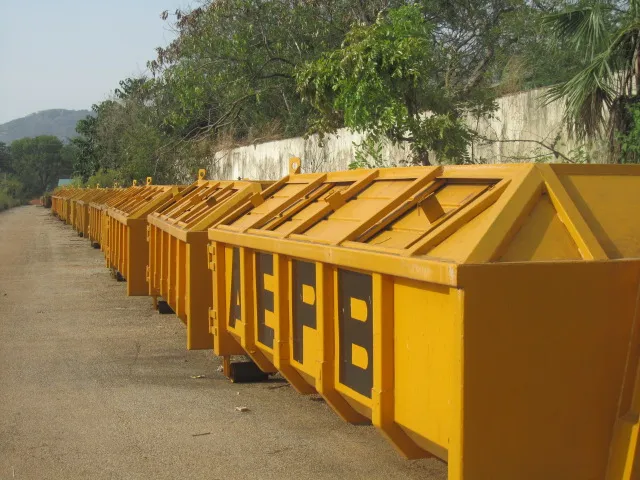
Tackling the problem will require more than simply arresting or fining people who violate environmental laws.
The government needs to provide accessible public toilets in busy areas, markets, transport locations and other places where people may need them. There should also be sustained public education on sanitation and the dangers of open defecation.
At the same time, residents must understand that keeping Abuja clean is not solely the responsibility of the government.
People must stop dumping refuse in gutters, drainage channels, roadsides and vacant plots. Communities should also speak up when individuals turn their neighbourhoods into illegal dumping sites.
With heavy rainfall and flooding already affecting some parts of Abuja, the time to take the sanitation situation seriously is now.
Abuja must act before a sanitation problem becomes a public health crisis.
A clean capital is not just about how Abuja looks. It is about protecting the health of everyone who lives, works and does business in the nation’s capital. Together let’s build a clean Abuja. Follow us on Facebook as we bring you more updates.