


Residents across Nigeria are being urged to take diphtheria seriously as health authorities respond to a renewed outbreak of the vaccine preventable disease, with reported infections and deaths continuing to emerge across several states.

The Nigeria Centre for Disease Control and Prevention, NCDC, has identified Kano, Kaduna, Katsina, Borno, Bauchi, Plateau, Sokoto and Zamfara among the states accounting for the vast majority of confirmed cases reported in the latest surveillance period. NCDC data cited in recent reports showed that 48 confirmed cases and four deaths were recorded nationally between August 24 and August 30, 2026.
The wider outbreak has already taken a significant toll. A recent report citing NCDC data put Nigeria’s cumulative figures at 12,977 suspected cases, 10,476 confirmed cases and 406 deaths as of September 2026.

Abuja and the FCT are not outside the warning
The development deserves particular attention in the Federal Capital Territory.
Recent reports indicated that five laboratory confirmed diphtheria cases had been recorded in Abuja, with two deaths reported, while health teams were carrying out contact tracing and other response measures.
For residents of Bwari Area Council and other parts of the FCT, this is a reason to remain alert, not a reason to panic.
Diphtheria is highly contagious and can spread through respiratory droplets and close contact with an infected person. The disease is caused by bacteria that can produce a toxin capable of damaging the heart, nerves and other organs.
Children who are unvaccinated or incompletely vaccinated are particularly vulnerable. NCDC officials recently said about 68 percent of confirmed cases were among people who had not been vaccinated.
Know the signs and symptoms
Diphtheria can initially look like an ordinary throat infection, making early recognition important.
Residents should watch for:
• Sore throat
• Fever
• Weakness and tiredness
• Swollen glands in the neck
• Swelling of the neck
• Difficulty swallowing
• Difficulty breathing
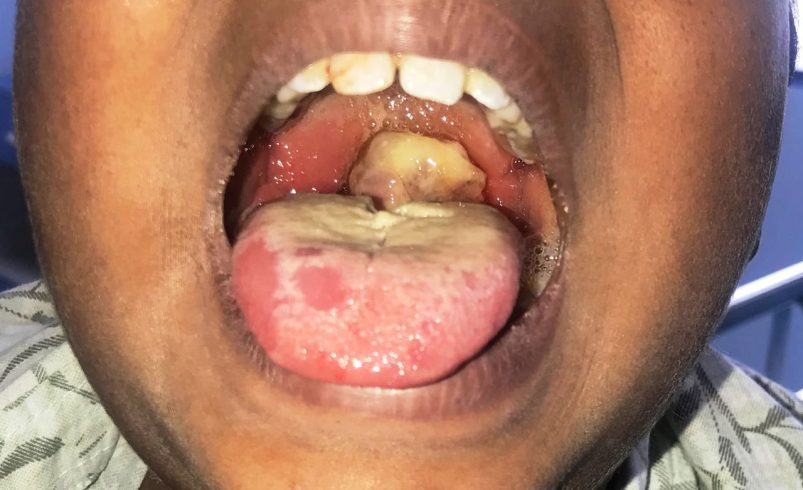
• A thick greyish or white membrane developing in the throat, tonsils or nose
• Hoarseness or changes in the voice
In serious cases, the infection can cause breathing difficulties and complications affecting the heart and nervous system.
Do not attempt to remove any thick membrane from the throat yourself. Anyone showing symptoms that could be consistent with diphtheria should receive medical attention as quickly as possible.
How does diphtheria spread?
Diphtheria can spread when an infected person coughs or sneezes and releases respiratory droplets. It can also spread through close contact with an infected person and contact with contaminated objects or materials.
This means crowded environments, schools, households and other places where people have close contact can facilitate transmission.
However, residents should not stigmatise people suspected of having the disease. The appropriate response is early medical attention, following public health instructions and protecting close contacts.
READ ALSO: Illegal Dumping Sites Raise Waste Management Concerns in Bwari
How residents can protect themselves
1. Check your vaccination status
Vaccination remains one of the most important ways of preventing diphtheria.
Parents and guardians should check whether their children have received their routine childhood vaccinations. If you are unsure about a child’s vaccination history, speak with a healthcare provider rather than assuming the child is protected.
The NCDC continues to provide guidance on diphtheria surveillance and outbreak response, while vaccination remains central to prevention.
2. Do not ignore persistent sore throat or fever
A sore throat does not automatically mean diphtheria. Many common illnesses can produce similar symptoms.
But during an outbreak, unexplained or worsening symptoms should not simply be ignored, particularly when accompanied by difficulty breathing, difficulty swallowing, neck swelling or a membrane in the throat.
Seek medical attention promptly.
3. Avoid close contact with suspected cases
If someone in your household develops symptoms that raise concern about diphtheria, avoid unnecessary close contact while seeking medical advice.
Do not share drinking cups, eating utensils or other personal items.
Follow instructions given by health professionals regarding isolation, testing and treatment.
4. Do not self medicate
Do not attempt to treat suspected diphtheria with leftover antibiotics or medicines obtained without professional advice.
Diphtheria can become severe quickly and requires appropriate medical management. Early treatment can also help reduce the risk of complications and transmission.
5. Protect children
Parents, guardians, schools and caregivers should pay particular attention to children because unvaccinated and incompletely vaccinated children have been heavily represented among cases in Nigeria.
Schools should also encourage parents to ensure children receive recommended vaccinations and should promptly report concerning clusters of illness through appropriate health channels.
READ NCDC FULL RECORDS OF THE OUTBREAK
Bwari residents should stay informed, not frightened
At the time of publication, the available reports do not establish Bwari as an outbreak hotspot. However, Bwari is part of the FCT and residents should pay attention to verified information from health authorities as the situation develops.
Parents should avoid relying on WhatsApp rumours, unverified social media posts or unofficial claims about suspected cases.
If you hear of a suspected case within your community, allow health authorities to investigate and confirm it rather than spreading the person’s identity or unverified information.
Over 1000 cases reported
When should you seek urgent medical help?
Seek medical attention immediately if you or a child develops symptoms such as:
Difficulty breathing, severe throat swelling, difficulty swallowing, a thick grey or white membrane in the throat or nose, significant neck swelling, or rapidly worsening illness.
Do not wait for symptoms to become severe before seeking help.
Diphtheria is preventable and treatable, but delay in seeking care can increase the risk of serious complications.
The message to Bwari residents is simple
Stay alert. Check vaccination records. Know the symptoms. Avoid unnecessary close contact with suspected cases. Do not self medicate. And seek medical attention early when concerning symptoms appear.
This is not a time for panic. It is a time for awareness, responsible information sharing and prompt action.
BwariTimes will continue to monitor developments and provide verified updates from health authorities as they become available.
Health information in this report is provided for public awareness and should not replace advice from a qualified healthcare professional.