


KANO — The Kano State Government has appealed to the Federal Government for additional supplies of diphtheria vaccines following an outbreak that has reportedly killed more than 50 children in parts of the state.

The appeal was made by the Director-General of the Kano Centre for Disease Control, Prof. Muhammad Abbas, who said the state wants more vaccines to enable it to conduct mass vaccination across affected communities and prevent further spread.
The Kano State House of Assembly had earlier raised the alarm over the outbreak, particularly in Rano Local Government Area, where lawmakers said more than 50 children had died, with Ridin and Sabuwar Kaura reportedly among the worst-affected communities.

The state health authorities have urged parents and residents to report suspected cases early, stressing that prompt medical attention can significantly reduce the risk of severe complications and death.
What is diphtheria?
Diphtheria is a serious and highly contagious bacterial infection caused mainly by Corynebacterium diphtheriae. The bacteria can produce a powerful toxin that attacks the respiratory system and, in severe cases, damages the heart and nervous system.
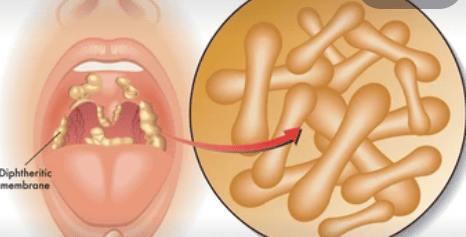
The infection commonly begins with sore throat, fever, weakness and swollen glands in the neck. As the disease progresses, a thick grey or white membrane can form in the throat, potentially making breathing and swallowing difficult.
The toxin can also spread through the body and cause serious complications, including heart inflammation and nerve damage.
How does diphtheria spread?
Diphtheria spreads mainly from person to person through respiratory droplets released when an infected person coughs or sneezes. It can also spread through close contact with infected sores or ulcers.
This means crowded living conditions, close household contact and communities with low vaccination coverage can provide opportunities for the infection to spread rapidly.
Why are outbreaks happening?
One of the biggest reasons diphtheria outbreaks occur is low or incomplete vaccination coverage.
Diphtheria is vaccine-preventable, but people who have not received the recommended doses—or who have missed booster doses—remain vulnerable. When vaccination levels fall in a community, the bacteria can circulate more easily and outbreaks can occur.
WHO also identifies overcrowding, poor access to healthcare and disruptions to immunisation services as factors that can increase the risk of outbreaks.
How can families protect themselves?
The most effective protection against diphtheria is vaccination. Parents and caregivers should ensure that children receive their routine immunisations and any recommended catch-up doses.
Anyone experiencing symptoms such as persistent sore throat, fever, neck swelling, weakness or difficulty breathing—particularly if they have been exposed to a suspected case—should seek medical attention immediately.
Early diagnosis and treatment are important because diphtheria can become life-threatening. Treatment generally involves diphtheria antitoxin and antibiotics, while close contacts may also require preventive antibiotics and vaccination assessment.
BwariTimes Health Note
The Kano outbreak is a reminder that vaccine-preventable diseases can return when immunisation gaps develop. Parents in Bwari and across the FCT should ensure their children’s routine vaccinations are up to date and seek medical attention promptly when serious symptoms appear.
BwariTimes will continue to monitor developments surrounding the Kano outbreak and any public-health advisory issued for the FCT. Follow us on Facebook for updates.