
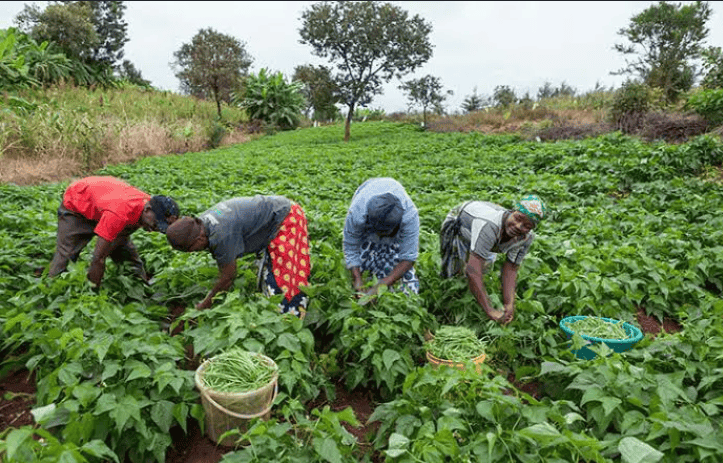

When people think of Bwari, many remember it as one of the busiest satellite towns in the Federal Capital Territory. What many people don’t know is that farming in Bwari is the backbone of the local economy. Thanks to its fertile soil and favourable weather, Bwari has become one of Abuja’s leading agricultural communities, supplying food to homes, traders and markets across the FCT.

Nearly every family in Bwari has a connection to farming. While many non-indigenes cultivate crops mainly to feed their households, farming remains the primary occupation and source of income for many indigenous families.
Why Bwari Is Good for Farming
Bwari is naturally blessed with rich, fertile farmland that produces impressive harvests every year. The combination of good rainfall, suitable climate and productive soil allows farmers to grow different crops throughout the rainy season.

One remarkable feature of Bwari’s soil is its natural fertility. Many local farmers say that for crops such as maize, groundnuts, millet, wheat, beans and soybeans, even when the land is not fully tilled, simply opening the soil and planting can still produce a good harvest. While proper land preparation remains the best farming practice, the richness of Bwari’s soil allows many crops to thrive with minimal cultivation, a quality that makes the area one of the most productive farming communities in the FCT.
This is why many people from neighbouring communities and even other parts of Abuja rent farmland in Bwari every year.
Major Crops Grown in Bwari
Farmers in Bwari cultivate a wide range of food crops, including:
- Beans
- Maize (Corn)
- Groundnuts
- Sweet potatoes
- Yam
- Soybeans
- Millet
- Wheat
- Rice
- Melon (Egusi)
- Cassava
These crops form a major part of the food supply within the FCT and neighbouring states.
Farming Seasons in Bwari
Crop planting in Bwari follows the rainy season, with different crops planted at different times.
First Planting Season
At the beginning of the rainy season, farmers plant:
- Maize
- Groundnuts
- Sweet potatoes
- Yam
- Millet
- Wheat
- Melon (Egusi)
Second Planting Season
Cassava is unique because it can be planted almost throughout the year, depending on land preparation and available rainfall.
Third Planting Season
Around August, farmers begin planting:
- Beans
- Soybeans
Most crops mature within 90 to 120 days, making the rainy season the most important farming period in Bwari. This is also when food becomes more affordable because fresh harvests flood the market.
Farming Is Still Mostly Manual
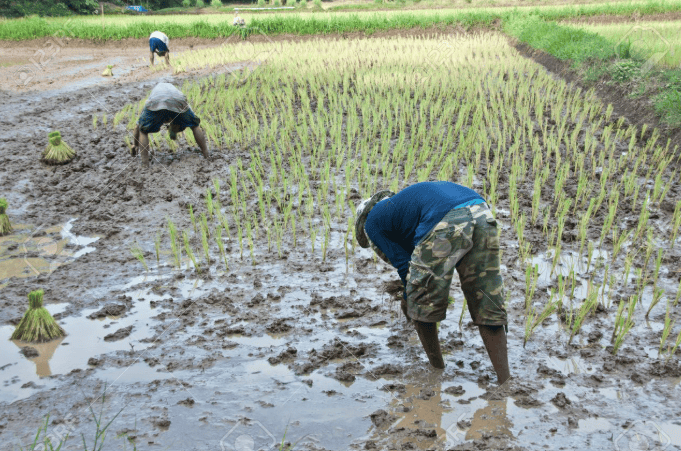
Despite being one of Abuja’s major farming hubs, agriculture in Bwari is still dominated by manual labour. Most farmers use hoes, cutlasses and simple farm tools because they cultivate relatively small portions of land.
Only a few large-scale farmers use tractors and other mechanised equipment.
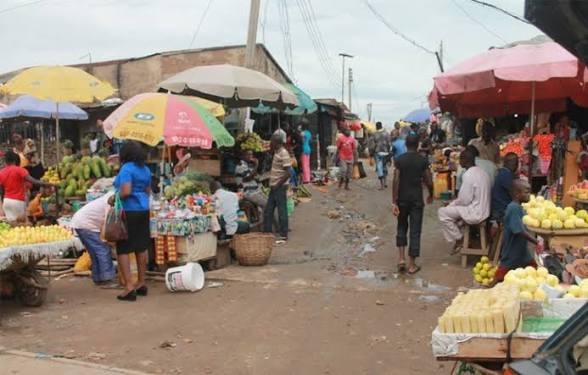
Best Time to Buy Cheap Food in Bwari Market
Harvest season is the best time to buy food at lower prices.
During harvest, traders from different parts of Abuja and neighbouring towns visit Bwari to buy directly from farmers. Many purchase in bulk, store the produce and resell it months later when prices rise.
Beans provide a good example.
During harvest, a mudu of beans can sell for as low as ₦600. During the off-season, the same quantity may cost around ₦1,700, while prices reached between ₦2,700 and ₦3,000 during periods of food inflation in 2024.
For families looking to reduce food expenses, buying during harvest season can result in significant savings.
Harvest Calendar in Bwari
Knowing when crops are harvested helps buyers plan their purchases.
June to August
- Maize (Corn)
- Groundnuts
- Sweet potatoes
December to January
- Beans
- Soybeans
- Millet
- Wheat
If you live in Abuja and want to stock your kitchen with affordable food, these periods are some of the best times to visit Bwari Market.
Challenges Facing Farmers in Bwari
One of the biggest challenges farmers face is the destruction of crops by roaming cattle.
Many farmers complain that herders sometimes allow their cattle to stray into cultivated farmland, destroying crops that took months to grow. For some families, this has resulted in heavy financial losses, while others have abandoned farming completely.
The situation has also forced many farmers to harvest earlier than planned. Once neighbouring farms are harvested, any crops left standing often become more vulnerable to destruction.
Addressing this challenge remains important if Bwari is to maintain its position as one of Abuja’s leading food-producing communities.
How Much Does It Cost to Rent Farmland in Bwari?
Starting a farm in Bwari is relatively affordable.
If you do not own land, you can rent farmland from indigenous landowners for one farming season.
Depending on the size and location of the land, annual rental fees typically range from ₦10,000 to ₦30,000.
This makes farming accessible to beginners, families and anyone interested in producing food for personal consumption or commercial purposes.
Finally
Farming in Bwari is more than an occupation, it’s a way of life. The area’s fertile land continues to provide food, employment and income for thousands of families while helping to feed Abuja.
Whether you are looking to start farming, buy fresh produce at affordable prices or understand Bwari’s agricultural economy, knowing the planting and harvest seasons can help you make better decisions.
As agriculture continues to grow in importance, supporting local farmers and addressing challenges such as crop destruction and limited mechanisation will help secure Bwari’s position as one of the Federal Capital Territory’s most productive farming communities.
Follow BwariTimes on Facebook for more news updates.