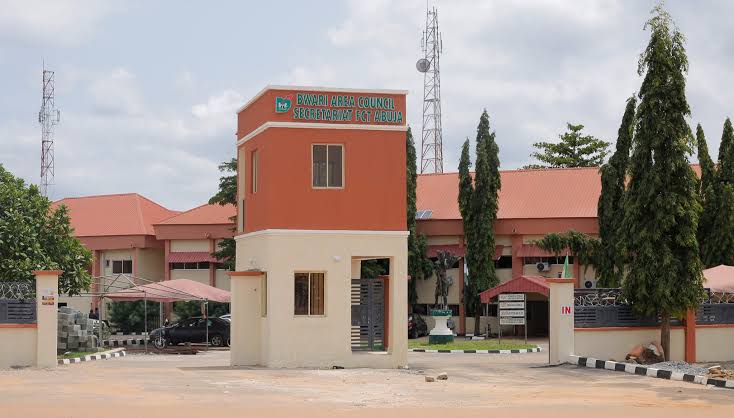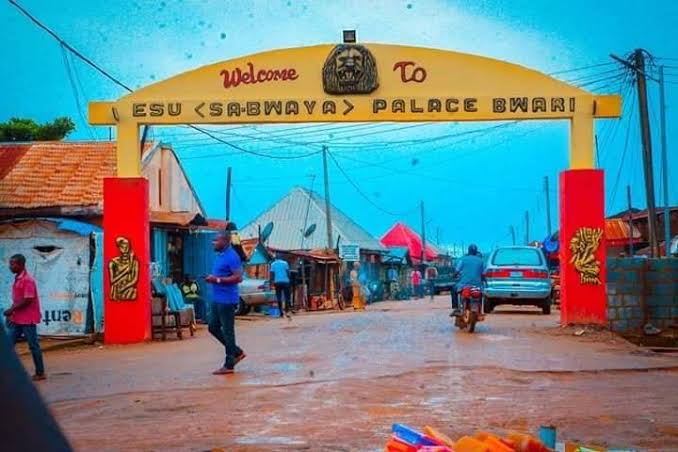

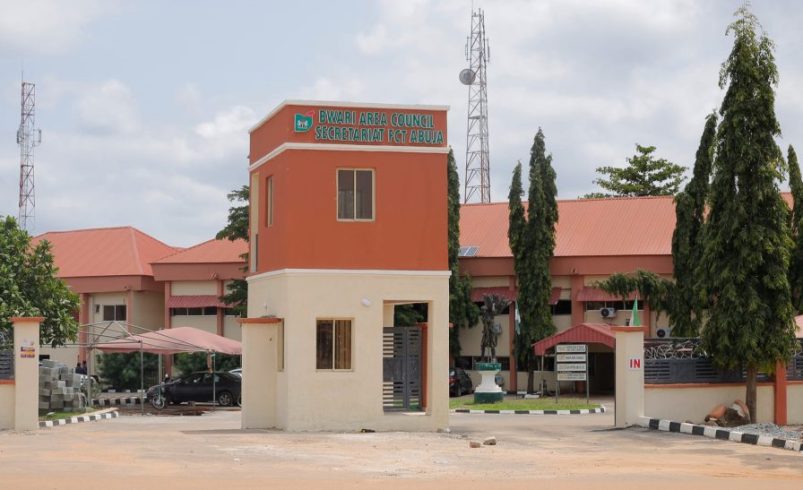

You are about to discover the villages in Bwari Area Council in this blog. Bwari Area Council is one of the six area councils in the Federal Capital Territory (FCT), Abuja. It is home to dozens of villages and communities that have grown from traditional settlements into vibrant residential, commercial and agricultural centres. While many people know Bwari for its educational institutions and proximity to Abuja city, the area is also rich in indigenous culture, farming and community life.

The indigenous people of Bwari are predominantly the Gbagyi (Gwari), whose history in the area dates back several centuries. Today, the council has become one of the fastest-growing parts of the FCT, attracting residents from different parts of Nigeria.
Major Villages and Communities in Bwari Area Council
Bwari Area Council consists of numerous towns and villages. Some of the well-known communities include:

– Bwari
– Kubwa
– Dutse Alhaji
– Ushafa
– Kuduru
– Kogo
– Byazhin
– Shere
– Igu
– Kawu
– Kuchibuyi
– Kute
– Kaima
– Tokulo
– Piko
– Panunuki
– Gaba
– Zuma
– Baran Rafi
– Barangoni
– Sabon Gari
– Tudun Wada
– Tunga Bijimi
– Tunga Adoka
– Tungan Sarkin
– Kurumin Daudu
– Galuwyi
– Gudupe
– Donabayi
– Jigo
– Payi
– Panda
– Yaba
– Yajida
– Yaupe
– Zango
– Simape
– Sumpe
– Karaku
– Karawa
– Kawadashi
– Chikale
– Dauda
– Duba
– Bazango
– Bunko
– Kikumi
– Kimtaru
– Paspa
– Ruriji
– Sagwari
– Apugye
– Barapa
– Dankoru
– Gidan Babachi
– Gidan Baushe
– Gidan Pawa
– Gutpo
– Kasaru
– Kwabwure
– Rugan Fulani
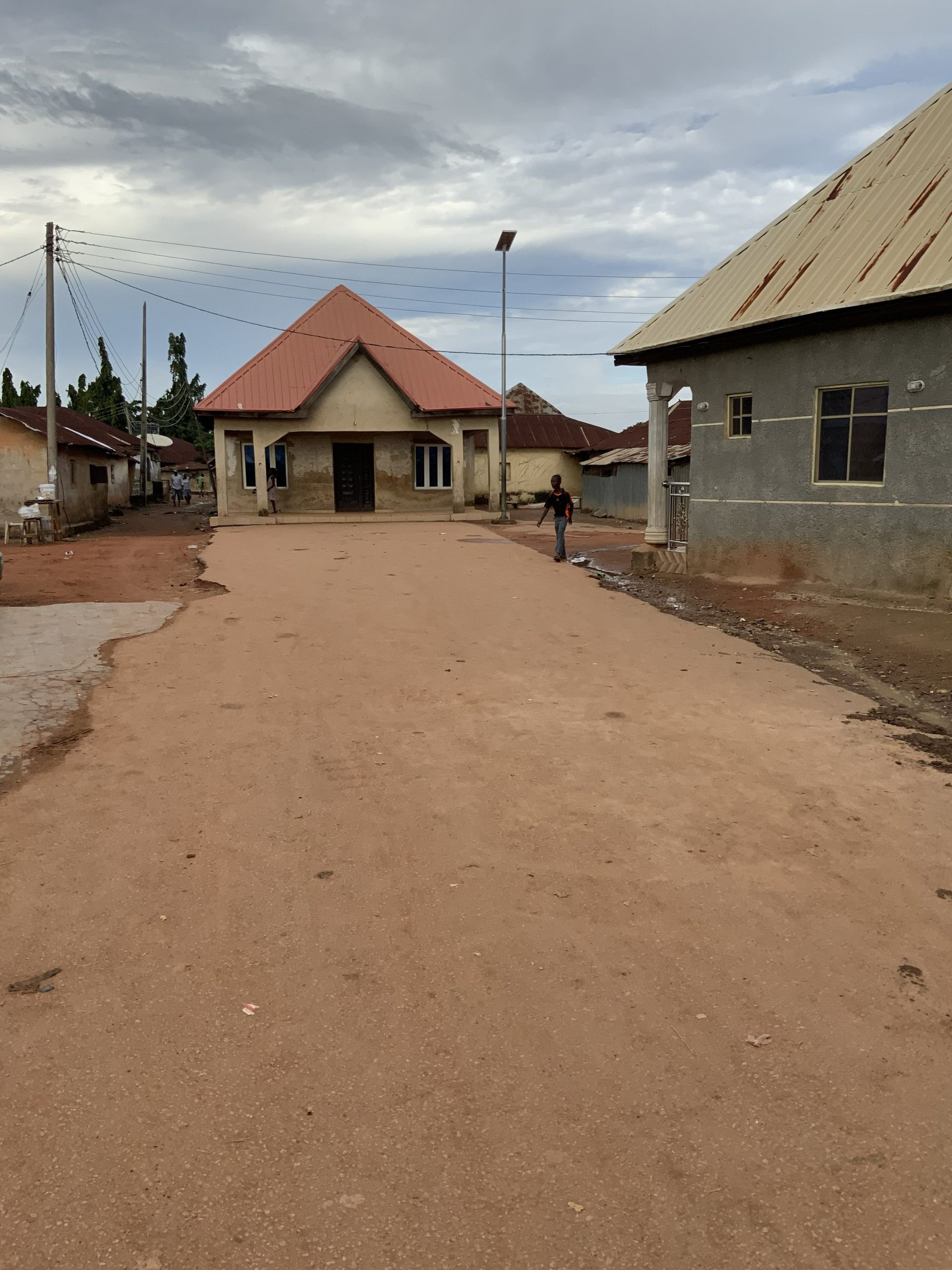
These villages in Bwari Area Council are spread across the ten political wards of the Council and continue to expand as Abuja’s population grows.
The Ten Wards of Bwari Area Council
The villages are administered through ten electoral wards:
1. Bwari Central
2. Kubwa
3. Byazhin
4. Dutse Alhaji
5. Ushafa
6. Kuduru
7. Shere
8. Kawu
9. Igu
10. Usuma
Agriculture Remains the Backbone
Although urban development continues to transform Bwari, farming remains a major occupation in many villages. Farmers cultivate maize, millet, beans, soya beans, cassava, yam, vegetables, groundnuts and other crops that are supplied to markets across Abuja.
Many villages also engage in livestock farming, poultry production and local trading, contributing significantly to food security within the FCT.
Rich Cultural Heritage
The villages of Bwari have preserved many aspects of Gbagyi culture. Traditional festivals, marriage ceremonies, local music, dance and craftsmanship continue to play an important role in community life. Traditional rulers also help maintain peace, preserve customs and support community development.
Rapid Urban Growth
Several villages that were once rural settlements have experienced rapid development due to Abuja’s expansion. Communities such as Kubwa, Dutse Alhaji, Byazhin and Kogo now feature residential estates, schools, hospitals, banks, markets and business centres while still retaining elements of their original identity.
Road improvements, educational institutions and government projects have further accelerated development across the area.
Why Bwari’s Villages Matter
The villages of Bwari Area Council are more than just settlements. They represent the history, culture and economic strength of one of Abuja’s fastest-growing regions. From traditional farming communities to bustling urban neighbourhoods, each village contributes to the social and economic development of the Federal Capital Territory.
Whether you are planning to relocate, invest, conduct research or simply learn more about Abuja, understanding the villages of Bwari provides valuable insight into the area’s rich heritage and growing opportunities.
For news updates in Bwari, follow us on Facebook. Stay connected with BwariTimes for more.
Frequently Asked Questions
How many villages are in Bwari Area Council?
Bwari Area Council has dozens of villages and communities spread across its ten wards, with new settlements continuing to emerge as development expands.
What is the largest town in Bwari Area Council?
Kubwa is generally regarded as the largest and most populous urban settlement within Bwari Area Council.
Who are the indigenous people of Bwari?
The indigenous inhabitants are predominantly the Gbagyi (Gwari) people.
Is Bwari a good place to live?
Yes. Bwari offers relatively affordable housing, educational institutions, commercial activities, agricultural opportunities and convenient access to central Abuja, making it a popular choice for residents.